The Future of Fragrance: Exploring Perfumery Trends for 2025
Related Articles: The Future of Fragrance: Exploring Perfumery Trends for 2025
Introduction
In this auspicious occasion, we are delighted to delve into the intriguing topic related to The Future of Fragrance: Exploring Perfumery Trends for 2025. Let’s weave interesting information and offer fresh perspectives to the readers.
Table of Content
- 1 Related Articles: The Future of Fragrance: Exploring Perfumery Trends for 2025
- 2 Introduction
- 3 The Future of Fragrance: Exploring Perfumery Trends for 2025
- 4 Related Searches:
- 4.1 1. Fragrance Trends 2023
- 4.2 2. Perfume Trends 2024
- 4.3 3. Top Perfume Trends
- 4.4 4. Perfume Trends for Women
- 4.5 5. Perfume Trends for Men
- 4.6 6. New Perfume Trends
- 4.7 7. Upcoming Perfume Trends
- 4.8 8. Perfume Trends 2025 and Beyond
- 5 FAQs about Trends Perfume 2025
- 6 Tips for Navigating Trends Perfume 2025
- 7 Conclusion:
- 8 Closure
The Future of Fragrance: Exploring Perfumery Trends for 2025
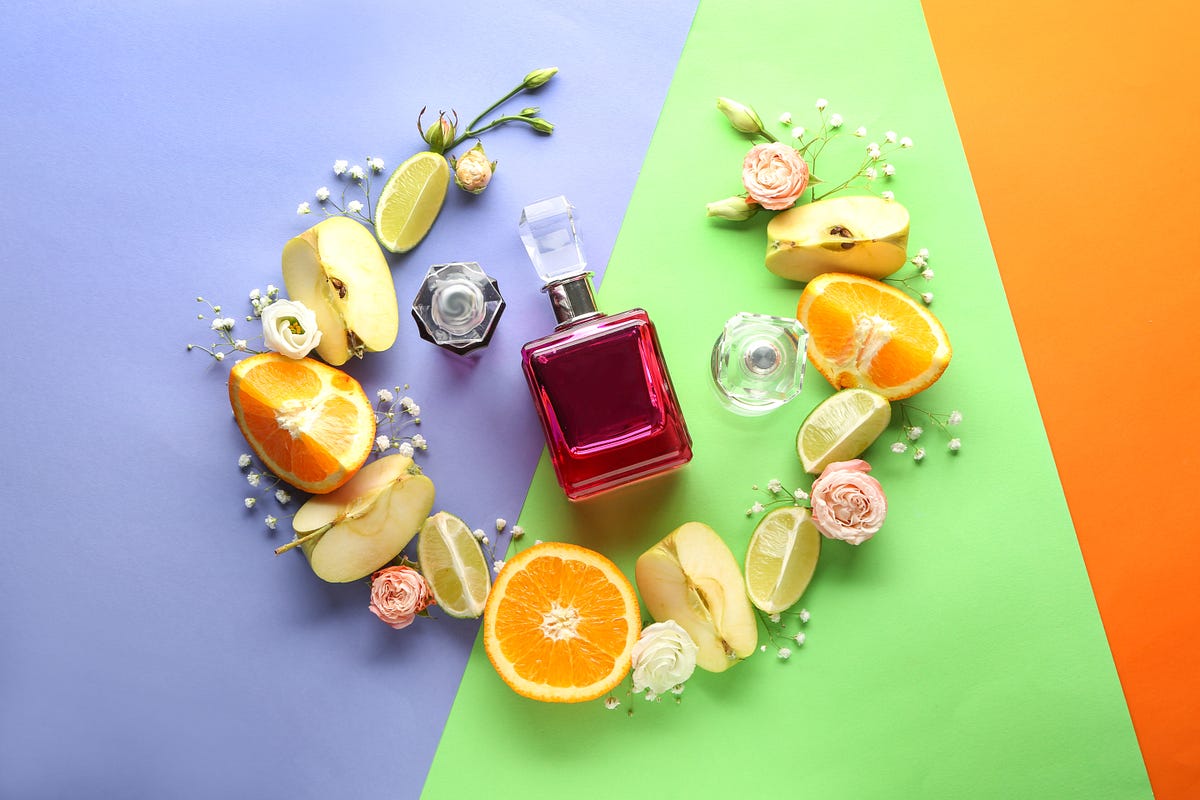
The world of fragrance is a constantly evolving landscape, driven by shifting consumer tastes, innovative technology, and a growing awareness of sustainability. As we move towards 2025, several key trends are shaping the future of perfumery, offering exciting possibilities for both fragrance enthusiasts and the industry itself.
The Rise of Niche and Indie Perfumery
While mainstream fragrance brands continue to dominate the market, there is a growing demand for more unique and personalized olfactory experiences. Niche and indie perfumery are flourishing, offering handcrafted scents with complex compositions, often using rare and high-quality ingredients. This shift reflects a desire for individuality and a move away from mass-produced, generic fragrances.
Sustainability and Ethical Sourcing
Consumers are increasingly conscious of the environmental and social impact of their purchases, and the fragrance industry is no exception. Sustainability and ethical sourcing are becoming paramount, with brands focusing on using natural and organic ingredients, reducing packaging waste, and supporting fair trade practices. This trend is driven by a growing awareness of the environmental impact of synthetic fragrances and a desire for transparency in the supply chain.
The Power of Personalization
Technology is playing a crucial role in shaping the fragrance landscape, enabling a level of personalization previously unimaginable. Personalized fragrance services allow consumers to create their own unique scents based on their individual preferences and olfactory profiles. This trend is driven by the desire for bespoke experiences and the increasing use of artificial intelligence and machine learning in fragrance development.
The Convergence of Scent and Wellness
The boundaries between fragrance and wellness are blurring, with fragrance increasingly being used to promote relaxation, focus, and overall well-being. This trend is driven by the growing popularity of aromatherapy and the recognition of the powerful connection between scent and mood. Brands are developing fragrances specifically designed to address specific needs, such as stress relief, sleep enhancement, or improved focus.
The Importance of Sensory Experiences
The fragrance industry is moving beyond traditional olfactory experiences, incorporating other sensory elements to create immersive and multi-faceted encounters. Multi-sensory fragrance experiences involve incorporating sight, sound, and touch alongside scent, creating a holistic and engaging experience for consumers. This trend is driven by the desire for more immersive and engaging experiences, reflecting a broader shift towards sensory marketing.
The Rise of Unisex Fragrances
The lines between masculine and feminine fragrances are becoming increasingly blurred, with a growing demand for unisex scents that transcend traditional gender norms. This trend is driven by a shift towards gender fluidity and a desire for fragrances that are inclusive and versatile.
The Growing Influence of Social Media
Social media platforms play a significant role in shaping consumer trends, and fragrance is no exception. Social media influencers and online communities are driving trends, promoting new scents, and influencing purchasing decisions. This trend is driven by the increasing importance of online content and the desire for authentic and relatable recommendations.
The Importance of Storytelling
Fragrance brands are increasingly focusing on storytelling to connect with consumers on an emotional level. By crafting compelling narratives around their scents, brands can create a sense of identity and belonging, fostering deeper connections with their target audience. This trend is driven by the desire for authenticity and the increasing importance of emotional connections in consumer decision-making.
Related Searches:
1. Fragrance Trends 2023
The year 2023 saw several trends emerging in the fragrance industry, providing a glimpse into the future of perfumery. These trends include:
- The resurgence of classic scents: Consumers are rediscovering the timeless appeal of classic fragrances, with iconic perfumes from the past experiencing a revival.
- The rise of clean and minimalist scents: Fragrances with clean, simple compositions and natural ingredients are gaining popularity, reflecting a growing preference for simplicity and authenticity.
- The growing popularity of sustainable packaging: Brands are focusing on eco-friendly packaging materials and reducing waste, reflecting a growing awareness of environmental concerns.
2. Perfume Trends 2024
Building upon the trends of 2023, 2024 is likely to see a continued emphasis on:
- The power of scent and mood: Fragrances are increasingly being used to promote well-being and emotional balance, with brands developing scents specifically designed for relaxation, focus, or mood enhancement.
- The rise of personalized fragrance experiences: Technology is enabling a new level of customization, with consumers able to create their own unique scents based on their individual preferences.
- The integration of fragrance into lifestyle experiences: Fragrances are being incorporated into various aspects of daily life, from home fragrance to beauty products, creating a more holistic and immersive sensory experience.
3. Top Perfume Trends
Identifying the top perfume trends is crucial for staying ahead of the curve in the fragrance industry. Some of the most prominent trends include:
- The growing demand for natural and organic ingredients: Consumers are increasingly prioritizing natural and sustainable ingredients in their fragrances, reflecting a growing concern for environmental and health issues.
- The rise of niche and indie perfumery: Consumers are seeking unique and personalized olfactory experiences, leading to a surge in popularity for small-batch, artisanal fragrances.
- The importance of ethical sourcing and transparency: Consumers are demanding transparency in the supply chain, with brands being held accountable for their environmental and social impact.
4. Perfume Trends for Women
Women’s fragrance trends are constantly evolving, reflecting changing tastes and preferences. Some of the key trends include:
- The shift towards bolder and more complex scents: Women are embracing fragrances with deeper, richer notes, moving away from lighter and more floral scents.
- The growing popularity of unisex fragrances: Women are increasingly choosing fragrances that transcend traditional gender norms, opting for scents that are versatile and inclusive.
- The importance of sustainability and ethical sourcing: Women are increasingly conscious of the environmental and social impact of their purchases, seeking brands that prioritize sustainability and ethical practices.
5. Perfume Trends for Men
Men’s fragrance trends are also evolving, with a focus on:
- The desire for more sophisticated and complex scents: Men are moving away from traditional masculine scents and embracing fragrances with more complex compositions and unique notes.
- The growing popularity of natural and organic ingredients: Men are increasingly seeking fragrances that are free from harsh chemicals and synthetic ingredients, prioritizing natural and sustainable options.
- The rise of unisex fragrances: Men are embracing the versatility of unisex scents, choosing fragrances that are not confined to traditional gender roles.
6. New Perfume Trends
The fragrance industry is constantly innovating, introducing new trends and technologies. Some of the emerging trends include:
- The use of artificial intelligence in fragrance development: AI is being used to create new scents and predict consumer preferences, leading to a more personalized and data-driven approach to fragrance creation.
- The integration of scent into wearable technology: Smartwatches and other wearable devices are incorporating fragrance functionalities, allowing users to customize their scent profiles on the go.
- The development of bio-based fragrances: Brands are exploring the use of bio-based ingredients and sustainable extraction methods, reducing the environmental impact of fragrance production.
7. Upcoming Perfume Trends
Looking ahead, several emerging trends are poised to shape the future of fragrance:
- The growing importance of fragrance in the metaverse: Virtual and augmented reality experiences are incorporating scent, creating immersive and multi-sensory environments.
- The rise of personalized fragrance subscriptions: Consumers are subscribing to services that deliver tailored fragrance selections based on their individual preferences.
- The development of fragrances with mood-enhancing properties: Fragrances are being designed to promote specific emotions and mental states, leveraging the power of scent to enhance well-being.
8. Perfume Trends 2025 and Beyond
As we move towards 2025 and beyond, the fragrance industry will continue to evolve, driven by technological advancements, changing consumer preferences, and a growing awareness of sustainability. Key trends to watch include:
- The increasing integration of technology in fragrance development and distribution: AI, personalized fragrance experiences, and wearable technology will continue to play a major role in shaping the industry.
- The growing importance of sustainability and ethical sourcing: Brands will be held accountable for their environmental and social impact, with consumers demanding transparency and responsible practices.
- The focus on holistic well-being: Fragrances will increasingly be used to promote relaxation, focus, and overall well-being, blurring the lines between scent and wellness.
FAQs about Trends Perfume 2025
Q: What are the most important trends shaping the fragrance industry in 2025?
A: The most significant trends include the rise of niche and indie perfumery, the growing importance of sustainability and ethical sourcing, the power of personalization, the convergence of scent and wellness, and the increasing influence of social media.
Q: How is technology impacting the fragrance industry?
A: Technology is enabling a new level of personalization, with AI and machine learning being used to create bespoke fragrances and predict consumer preferences. Wearable technology is also incorporating fragrance functionalities, allowing users to customize their scent profiles on the go.
Q: What are the benefits of sustainable and ethical sourcing in the fragrance industry?
A: Sustainable and ethical sourcing practices reduce the environmental impact of fragrance production, promote fair trade, and ensure the responsible use of natural resources. This benefits both the environment and the communities involved in the supply chain.
Q: How is the fragrance industry incorporating storytelling to connect with consumers?
A: Brands are crafting compelling narratives around their scents, creating a sense of identity and belonging, and fostering deeper emotional connections with their target audience. This approach enhances brand loyalty and builds a stronger connection with consumers.
Q: What are some examples of multi-sensory fragrance experiences?
A: Multi-sensory fragrance experiences involve incorporating sight, sound, and touch alongside scent. Examples include fragrance installations that feature interactive elements, immersive fragrance events, and scented candles paired with calming music and aromatherapy diffusers.
Q: How are unisex fragrances challenging traditional gender norms?
A: Unisex fragrances break down the barriers between masculine and feminine scents, offering a more inclusive and versatile approach to fragrance. This trend reflects a growing acceptance of gender fluidity and a desire for fragrances that transcend traditional gender stereotypes.
Tips for Navigating Trends Perfume 2025
- Embrace the power of personalization: Explore personalized fragrance services and create your own unique scent based on your individual preferences.
- Prioritize sustainability and ethical sourcing: Choose brands that prioritize natural and organic ingredients, use eco-friendly packaging, and support fair trade practices.
- Explore niche and indie perfumery: Discover unique and handcrafted fragrances with complex compositions and rare ingredients.
- Embrace the convergence of scent and wellness: Experiment with fragrances designed to promote relaxation, focus, or overall well-being.
- Stay informed about emerging trends: Follow social media influencers, online communities, and industry publications to stay abreast of the latest developments in fragrance.
Conclusion:
The fragrance industry is undergoing a period of significant transformation, driven by evolving consumer preferences, technological advancements, and a growing awareness of sustainability. As we move towards 2025, trends such as the rise of niche and indie perfumery, the importance of personalization, and the convergence of scent and wellness will continue to shape the landscape of perfumery. By embracing these trends and prioritizing sustainability, fragrance brands can create a future that is both innovative and responsible, offering consumers a more personalized and meaningful experience.




Closure
Thus, we hope this article has provided valuable insights into The Future of Fragrance: Exploring Perfumery Trends for 2025. We thank you for taking the time to read this article. See you in our next article!