The Evolving Landscape of Data Centers: Trends Shaping the Future in 2025
Related Articles: The Evolving Landscape of Data Centers: Trends Shaping the Future in 2025
Introduction
With enthusiasm, let’s navigate through the intriguing topic related to The Evolving Landscape of Data Centers: Trends Shaping the Future in 2025. Let’s weave interesting information and offer fresh perspectives to the readers.
Table of Content
The Evolving Landscape of Data Centers: Trends Shaping the Future in 2025
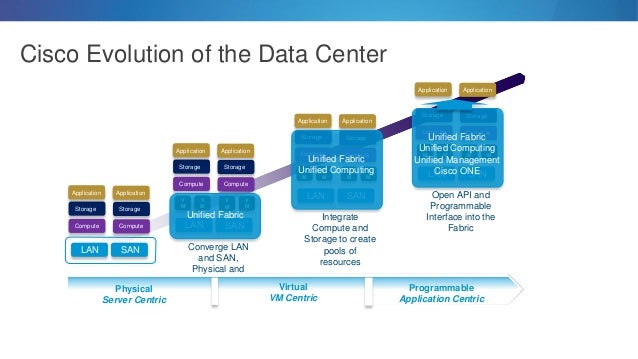
The world’s insatiable appetite for data continues to grow at an unprecedented pace, fueled by the proliferation of connected devices, the rise of artificial intelligence (AI), and the increasing reliance on cloud computing. This exponential growth necessitates a parallel evolution in the infrastructure that underpins it: data centers. As we approach 2025, a confluence of trends is shaping the future of these critical hubs, impacting everything from their design and construction to the technologies they house and the way they are managed.
Understanding the Importance of Data Centers
Data centers are the backbone of the digital world, providing the physical infrastructure that enables the storage, processing, and distribution of data. They are the unseen engines driving everything from online shopping and banking to scientific research and social media. The importance of data centers cannot be overstated, as they underpin the very fabric of modern society and the global economy.
Trends Shaping the Future of Data Centers in 2025
1. Sustainability and Energy Efficiency
The environmental impact of data centers is a growing concern. As data center energy consumption continues to rise, the industry is focusing on sustainability and energy efficiency as critical priorities.
- Renewable Energy Sources: Data centers are increasingly turning to renewable energy sources like solar and wind power to reduce their carbon footprint.
- Energy-Efficient Cooling: Innovative cooling technologies, such as liquid immersion cooling and adiabatic cooling, are being implemented to minimize energy consumption.
- Power Optimization: Data centers are employing advanced power management techniques and adopting energy-efficient hardware to optimize energy usage.
2. Edge Computing and the Decentralization of Data
The rise of edge computing is driving a shift away from centralized data centers. This trend involves processing data closer to its source, reducing latency and improving performance for applications that require real-time processing.
- Edge Data Centers: Smaller, more distributed data centers are being established at the edge of the network, closer to users and devices.
- Micro Data Centers: Compact, modular data centers designed for deployment in remote locations or within individual businesses are gaining popularity.
- Hybrid Cloud Architectures: Organizations are adopting hybrid cloud models, combining the benefits of both public and private clouds, with edge computing playing a key role in this evolution.
3. Artificial Intelligence (AI) and Machine Learning (ML)
AI and ML are transforming data center operations, enhancing efficiency and optimizing performance.
- Predictive Maintenance: AI algorithms are used to analyze data from sensors and predict equipment failures, enabling proactive maintenance and minimizing downtime.
- Resource Optimization: AI-powered systems can optimize resource allocation, ensuring efficient utilization of servers, storage, and other infrastructure components.
- Automated Operations: AI is automating tasks such as provisioning, monitoring, and security, freeing up IT staff to focus on higher-level tasks.
4. The Rise of Hyperscale Data Centers
Hyperscale data centers, operated by major cloud providers like Amazon Web Services (AWS), Microsoft Azure, and Google Cloud Platform (GCP), are characterized by their massive scale and advanced infrastructure.
- Increased Capacity: Hyperscale data centers are designed to handle vast amounts of data and traffic, supporting the growth of cloud services and digital applications.
- Advanced Infrastructure: They leverage cutting-edge technologies such as liquid cooling, high-density computing, and advanced networking to optimize performance and efficiency.
- Global Reach: Hyperscale providers are establishing data centers around the world, offering low latency and high availability to users globally.
5. Enhanced Security and Data Protection
Data security is paramount in the digital age. Data centers are implementing advanced security measures to protect sensitive information from cyber threats.
- Multi-Factor Authentication: Stronger authentication methods are being employed to prevent unauthorized access to data centers and their resources.
- Advanced Threat Detection: Sophisticated security systems are being deployed to detect and respond to cyberattacks in real-time.
- Data Encryption: Data is being encrypted at rest and in transit, ensuring its confidentiality and integrity.
6. Network Virtualization and Software-Defined Networking (SDN)
Network virtualization and SDN are transforming the way data centers are connected and managed.
- Increased Flexibility: Virtualized networks allow for greater flexibility and agility, enabling rapid deployment and configuration of network services.
- Simplified Management: SDN simplifies network management by automating tasks and providing centralized control over network resources.
- Improved Performance: Network virtualization and SDN optimize network performance by reducing latency and improving bandwidth utilization.
7. The Growing Importance of Data Analytics
Data analytics is becoming increasingly crucial for data center operations, enabling insights into performance, capacity planning, and resource utilization.
- Performance Monitoring: Data analytics tools are used to monitor data center performance, identify bottlenecks, and optimize resource allocation.
- Capacity Planning: Data analytics helps predict future capacity needs, allowing for proactive scaling of infrastructure to meet growing demands.
- Cost Optimization: Data analytics can identify areas for cost savings, such as optimizing energy consumption and reducing hardware redundancy.
8. The Rise of Immersive Technologies
Immersive technologies, such as augmented reality (AR) and virtual reality (VR), are transforming data center operations and maintenance.
- Remote Operations: AR and VR enable remote access to data centers, allowing technicians to perform tasks and troubleshoot issues remotely.
- Training and Simulation: AR and VR provide immersive training environments for data center personnel, improving their skills and knowledge.
- Visualization and Monitoring: AR and VR can be used to visualize data center infrastructure and monitor real-time performance metrics.
Related Searches
1. Data Center Design Trends
- Modular Data Centers: Pre-fabricated modules offer faster deployment and greater flexibility, allowing for rapid scaling of data center infrastructure.
- Micro-Modular Data Centers: Compact, modular units designed for deployment in smaller spaces, ideal for edge computing and distributed applications.
- Containerized Data Centers: Data center infrastructure housed within shipping containers, providing portability and ease of deployment.
2. Data Center Security Trends
- Biometric Authentication: Using fingerprint scanning, facial recognition, or iris scanning for secure access to data centers.
- Zero Trust Security: A security model that assumes no user or device can be trusted by default, requiring strict authentication and authorization.
- Cybersecurity Automation: Automating security tasks such as threat detection, incident response, and vulnerability scanning.
3. Data Center Cooling Trends
- Liquid Immersion Cooling: Submerging servers in dielectric fluids to dissipate heat more efficiently than traditional air-cooling systems.
- Adiabatic Cooling: Using evaporative cooling techniques to reduce energy consumption and minimize reliance on mechanical cooling systems.
- Precision Cooling: Precisely controlling the temperature and humidity within data centers to optimize performance and ensure equipment reliability.
4. Data Center Power Trends
- Uninterruptible Power Supply (UPS): Ensuring continuous power supply to critical systems during power outages.
- Power Distribution Units (PDUs): Distributing power to servers and other equipment in a data center.
- Power Management Systems (PMS): Monitoring and managing power consumption in a data center to optimize efficiency.
5. Data Center Networking Trends
- Software-Defined Wide Area Networking (SD-WAN): Optimizing network performance and connectivity across geographically dispersed locations.
- Network Function Virtualization (NFV): Virtualizing network functions, allowing for greater flexibility and scalability.
- 100 Gigabit Ethernet: High-speed networking technology enabling faster data transmission and improved network performance.
6. Data Center Automation Trends
- Infrastructure as Code (IaC): Defining data center infrastructure using code, allowing for automation and version control.
- DevOps for Data Centers: Applying DevOps principles to data center operations, improving collaboration and efficiency.
- Artificial Intelligence for Data Center Management: Using AI to automate tasks, optimize resource utilization, and predict potential issues.
7. Data Center Sustainability Trends
- Green Data Centers: Designing and operating data centers with minimal environmental impact.
- Water-Efficient Cooling: Minimizing water usage in cooling systems, reducing the environmental footprint.
- Carbon Offset Programs: Investing in renewable energy projects or carbon offset programs to compensate for emissions.
8. Data Center Cloud Trends
- Hybrid Cloud: Combining public and private clouds to leverage the best of both worlds.
- Multi-Cloud Strategies: Using multiple cloud providers to enhance flexibility and resilience.
- Cloud-Native Data Centers: Designing data centers specifically for cloud-based applications and services.
FAQs
1. What are the key challenges facing data centers in the future?
Data centers face several challenges, including:
- Meeting Growing Data Demands: The ever-increasing volume of data generated requires significant investments in infrastructure and capacity expansion.
- Ensuring Data Security: Protecting sensitive data from cyber threats is a constant challenge, requiring robust security measures and proactive threat management.
- Managing Energy Consumption: The energy consumption of data centers is a major concern, driving the need for sustainable practices and energy-efficient technologies.
- Adapting to New Technologies: The rapid pace of technological advancements requires data centers to constantly adapt and adopt new technologies to remain competitive.
2. How can data centers achieve sustainability?
Data centers can achieve sustainability through:
- Adopting Renewable Energy Sources: Utilizing solar, wind, and other renewable energy sources to reduce reliance on fossil fuels.
- Implementing Energy-Efficient Cooling: Employing innovative cooling technologies such as liquid immersion cooling and adiabatic cooling to minimize energy consumption.
- Optimizing Power Usage: Using power management techniques and energy-efficient hardware to reduce overall energy consumption.
- Adopting Sustainable Building Practices: Using sustainable materials and construction methods to minimize the environmental impact of data center buildings.
3. What are the benefits of edge computing?
Edge computing offers several benefits, including:
- Reduced Latency: Processing data closer to its source reduces latency, improving performance for applications that require real-time processing.
- Improved Performance: Edge computing can enhance application performance, especially for latency-sensitive applications.
- Increased Bandwidth: Edge computing can alleviate network congestion by distributing data processing across multiple locations.
- Enhanced Security: Processing data closer to its source can improve security by reducing the attack surface and minimizing the risk of data breaches.
4. What is the role of AI in data center management?
AI is transforming data center management by:
- Predictive Maintenance: AI algorithms can analyze data from sensors to predict equipment failures, enabling proactive maintenance and minimizing downtime.
- Resource Optimization: AI-powered systems can optimize resource allocation, ensuring efficient utilization of servers, storage, and other infrastructure components.
- Automated Operations: AI can automate tasks such as provisioning, monitoring, and security, freeing up IT staff to focus on higher-level tasks.
- Improving Efficiency: AI can help identify areas for optimization, reducing energy consumption and improving overall data center efficiency.
5. What are the future trends in data center security?
Data center security is evolving rapidly, with trends including:
- Zero Trust Security: This model assumes no user or device can be trusted by default, requiring strict authentication and authorization.
- Advanced Threat Detection: Sophisticated security systems are being deployed to detect and respond to cyberattacks in real-time.
- Data Encryption: Data is being encrypted at rest and in transit, ensuring its confidentiality and integrity.
- Multi-Factor Authentication: Stronger authentication methods are being employed to prevent unauthorized access to data centers and their resources.
Tips for Data Center Professionals
- Embrace Sustainability: Prioritize energy efficiency and renewable energy sources to reduce environmental impact.
- Stay Ahead of Technology: Continuously learn about emerging technologies and their potential impact on data center operations.
- Invest in Security: Implement robust security measures to protect sensitive data from cyber threats.
- Embrace Automation: Leverage automation tools to streamline operations, improve efficiency, and reduce human error.
- Focus on Data Analytics: Utilize data analytics to gain insights into performance, capacity planning, and resource utilization.
Conclusion
The future of data centers is dynamic and exciting, shaped by a confluence of trends that are driving innovation and transforming the way these critical hubs are designed, operated, and managed. As the digital world continues to evolve, data centers will play an increasingly vital role in supporting the growth of cloud computing, AI, and other transformative technologies. By embracing sustainability, security, automation, and data analytics, data center professionals can ensure that these critical infrastructure hubs remain resilient, efficient, and ready to meet the challenges of the future.




Closure
Thus, we hope this article has provided valuable insights into The Evolving Landscape of Data Centers: Trends Shaping the Future in 2025. We thank you for taking the time to read this article. See you in our next article!