Navigating the Future: Understanding the Macro Trends Shaping 2025
Related Articles: Navigating the Future: Understanding the Macro Trends Shaping 2025
Introduction
In this auspicious occasion, we are delighted to delve into the intriguing topic related to Navigating the Future: Understanding the Macro Trends Shaping 2025. Let’s weave interesting information and offer fresh perspectives to the readers.
Table of Content
Navigating the Future: Understanding the Macro Trends Shaping 2025
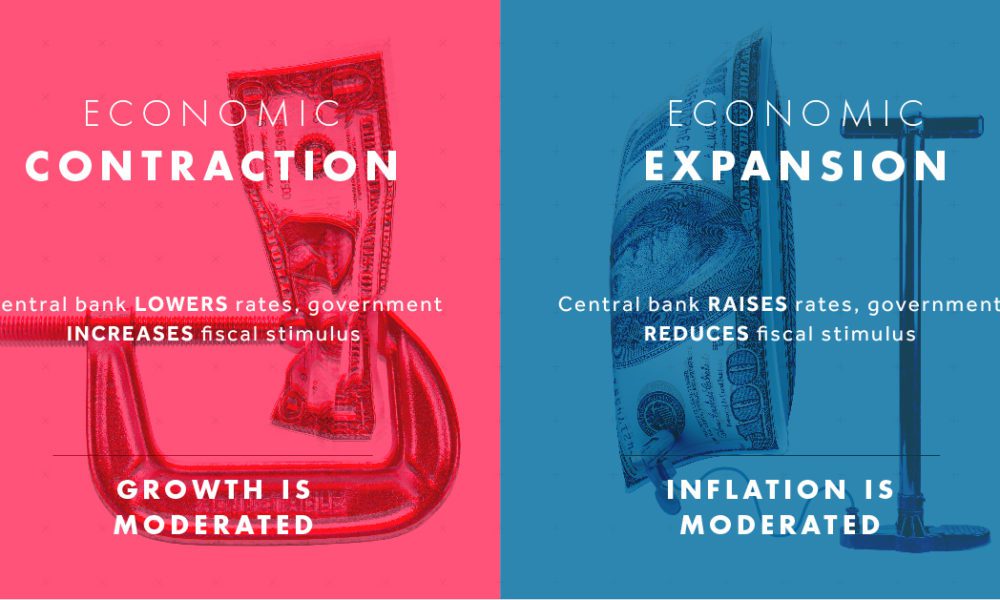
The world is in constant flux, driven by forces that shape our societies, economies, and individual lives. These forces, known as macro trends, are the long-term, large-scale patterns that influence the trajectory of our future. Recognizing and understanding these trends is crucial for individuals, businesses, and governments to navigate the evolving landscape effectively.
Defining Macro Trends:
Macro trends are not mere fads or short-term fluctuations. They are fundamental shifts in societal, technological, economic, environmental, and political structures that unfold over several years, if not decades. These trends are interconnected, influencing and shaping each other, creating a complex web of interconnected forces.
The Importance of Understanding Macro Trends**:
Comprehending macro trends provides numerous benefits:
- Strategic Planning: Businesses can utilize macro trends to anticipate market shifts, identify emerging opportunities, and develop strategies for long-term growth and sustainability.
- Informed Decision Making: Individuals can leverage macro trends to make informed decisions about their careers, investments, and lifestyles, adapting to the changing landscape.
- Policy Development: Governments can utilize macro trends to formulate policies that address societal challenges, promote economic development, and ensure the well-being of citizens.
- Innovation and Entrepreneurship: Identifying macro trends can inspire innovation and entrepreneurship, leading to the development of new products, services, and business models that cater to emerging needs.
Macro Trends Shaping 2025:
While the exact trajectory of the future remains uncertain, several macro trends are already shaping the landscape of 2025 and beyond:
1. Technological Advancements:
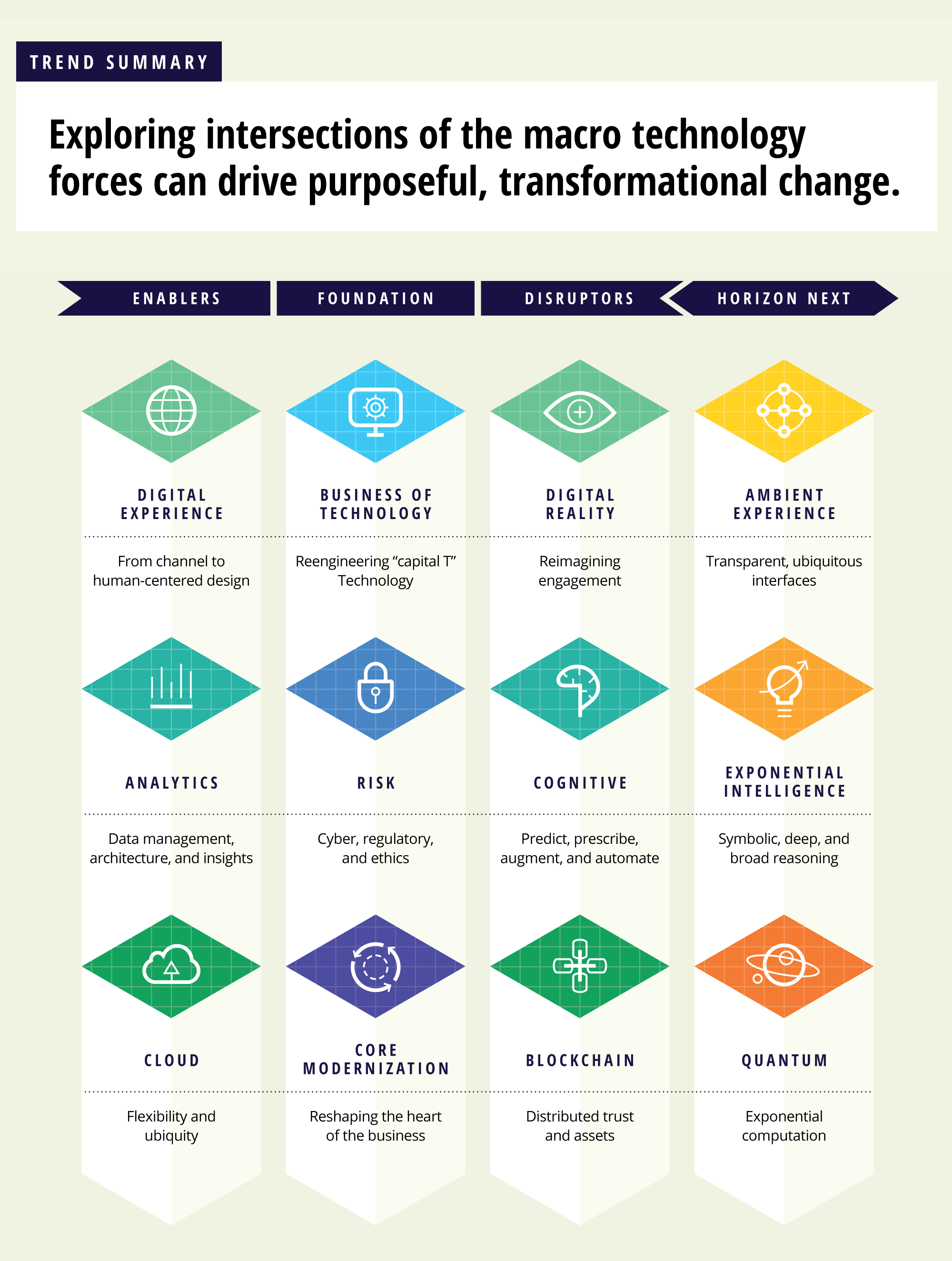
- Artificial Intelligence (AI) and Machine Learning (ML): AI and ML are rapidly transforming various industries, automating tasks, improving efficiency, and creating new possibilities. From self-driving cars to personalized medicine, these technologies are poised to revolutionize our lives.
- Internet of Things (IoT): The interconnectedness of devices and the collection of data through sensors are creating a vast network of information. This data can be used to optimize processes, improve decision-making, and enhance our understanding of the world.
- Blockchain Technology: Blockchain technology is revolutionizing the way we manage transactions, track assets, and ensure transparency. Its applications extend to various sectors, including finance, healthcare, and supply chain management.
- Virtual and Augmented Reality (VR/AR): VR and AR technologies are blurring the lines between the physical and digital worlds, offering immersive experiences in gaming, education, and healthcare.
2. Demographic Shifts:
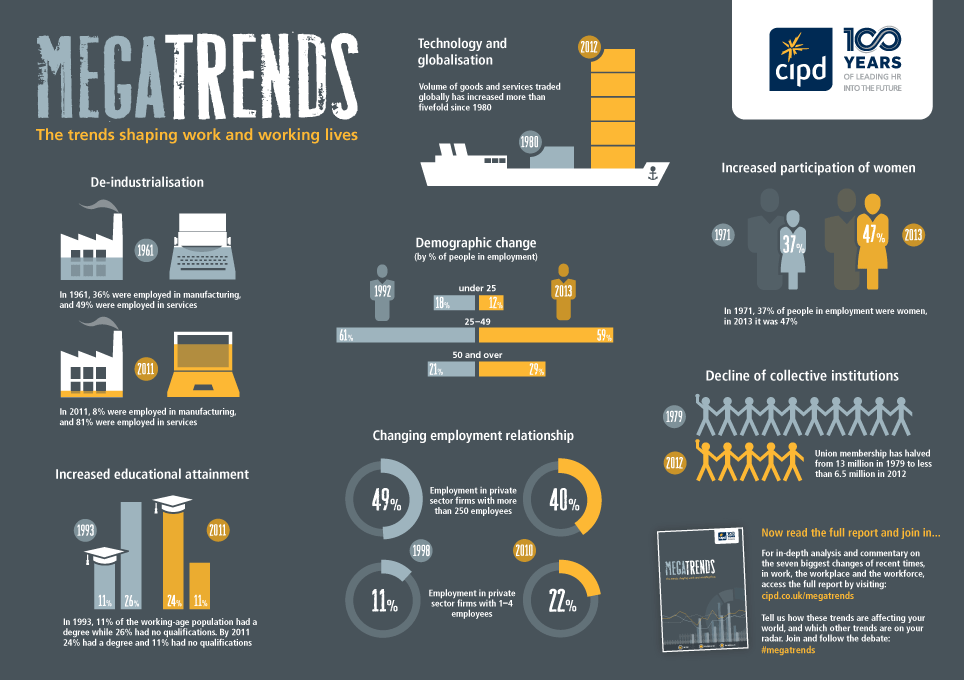
- Aging Population: In many developed countries, the population is aging, leading to shifts in healthcare needs, retirement planning, and social security systems.
- Urbanization: The world’s population is increasingly concentrated in urban areas, posing challenges related to housing, transportation, infrastructure, and environmental sustainability.
- Migration: Global migration patterns are changing, driven by economic factors, political instability, and climate change. This trend requires careful consideration of integration policies and social cohesion.
3. Economic and Social Transformations:
- Globalization and Trade: Globalization continues to shape the global economy, leading to increased interconnectedness and competition. However, trade tensions and protectionist policies pose challenges to this interconnectedness.
- Sustainability and Climate Change: The growing awareness of environmental issues and the urgency of addressing climate change are driving shifts in energy consumption, resource management, and consumer behavior.
- Social Inequality: The gap between the rich and the poor continues to widen in many countries, leading to social unrest and political instability. Addressing this inequality is crucial for social cohesion and economic growth.
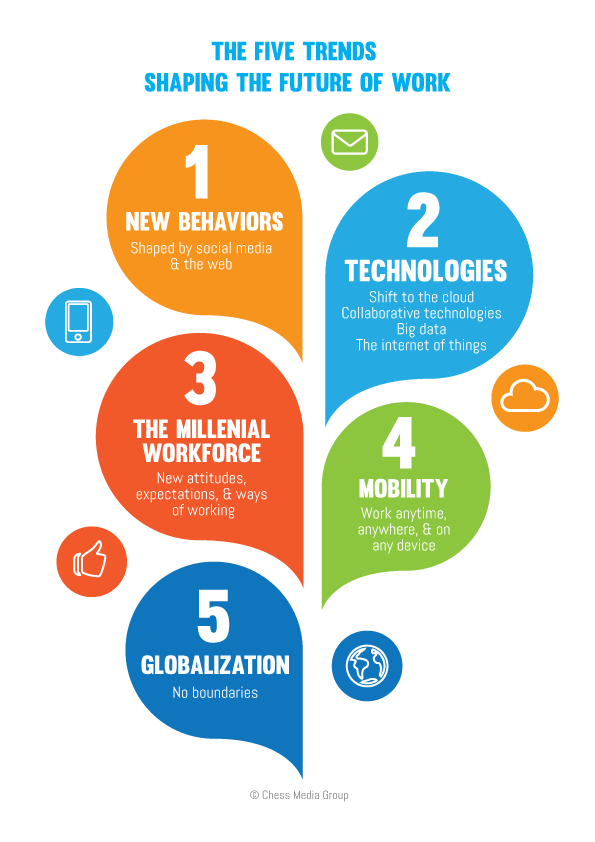
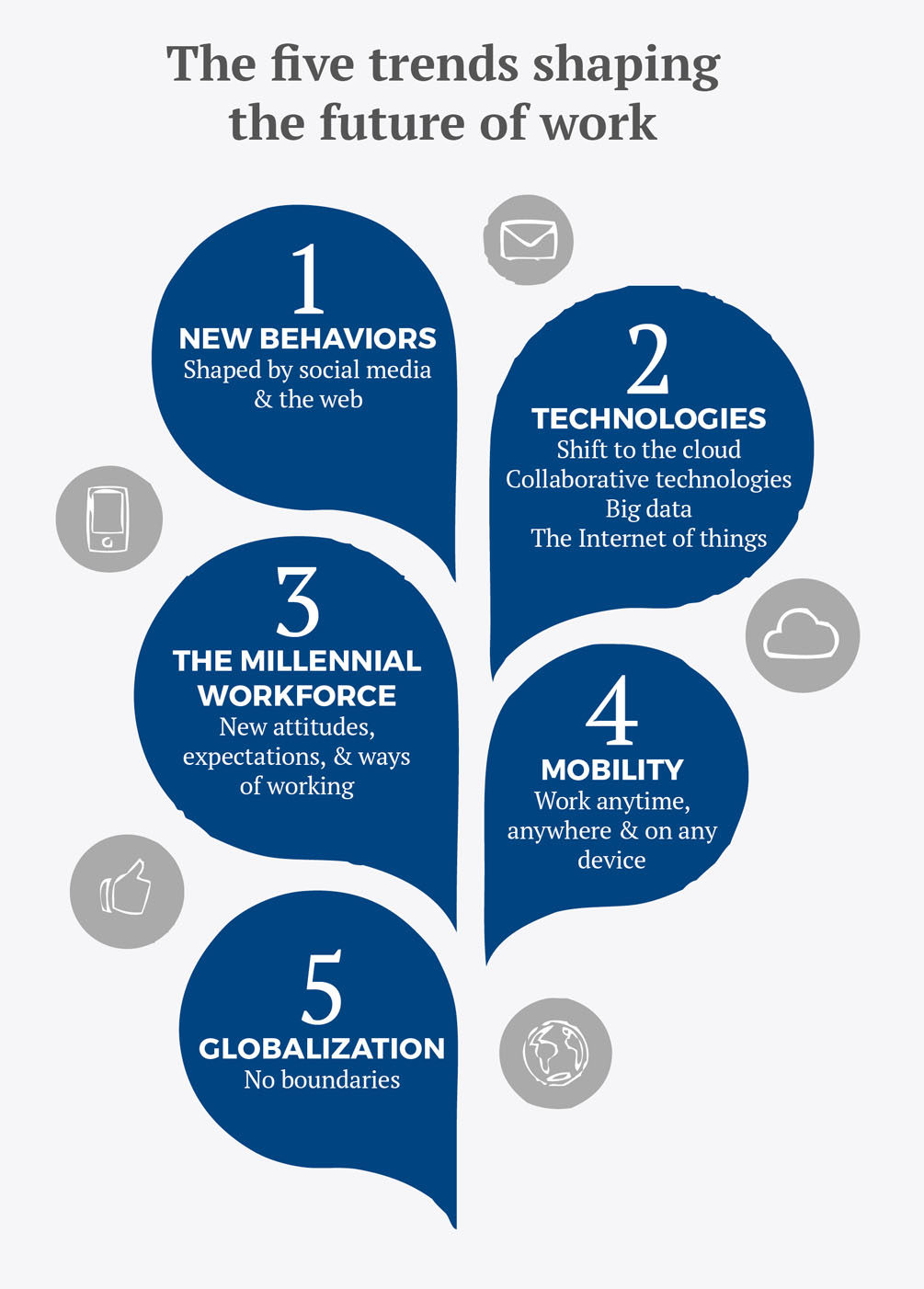
- Changing Workforce: The rise of automation and digitalization is transforming the nature of work, requiring individuals to adapt and acquire new skills. Education and training programs need to evolve to address these changing needs.
4. Geopolitical Landscape:
- Shifting Power Dynamics: The rise of new economic and military powers is altering the geopolitical landscape. The balance of power is shifting, creating new alliances and potential conflicts.
- Nationalism and Populism: The rise of nationalism and populism in many countries is leading to increased political polarization and uncertainty. This trend can impact international relations and global cooperation.
- Cybersecurity Threats: The increasing reliance on technology and the interconnectedness of systems create vulnerabilities to cyberattacks. Cybersecurity threats pose significant risks to businesses, governments, and individuals.
Related Searches:
1. Future Trends:
- Megatrends: These are long-term trends with significant societal impact, such as urbanization, aging populations, and technological advancements. Understanding megatrends can provide valuable insights into the future.
- Emerging Technologies: Staying abreast of emerging technologies like artificial intelligence, blockchain, and quantum computing is crucial for businesses and individuals seeking to stay ahead of the curve.
- Disruptive Innovation: Disruptive innovation refers to the introduction of new technologies or business models that challenge existing industries and create new markets. Understanding this concept can help businesses identify opportunities and adapt to change.
2. Future of Work:
- Automation and Job Displacement: As automation becomes more prevalent, certain jobs will become obsolete. Understanding the potential impact of automation on the workforce is crucial for individuals and governments.
- Upskilling and Reskilling: To thrive in the changing job market, individuals need to continuously learn new skills and adapt to evolving demands. Investing in upskilling and reskilling programs is essential for future success.
- Gig Economy and Remote Work: The rise of the gig economy and remote work is changing the traditional model of employment. Understanding these trends is crucial for businesses and individuals navigating the future of work.
3. Future of Healthcare:
- Personalized Medicine: Advancements in genomics and data analytics are enabling personalized medicine, tailoring treatments to individual patients based on their genetic makeup and lifestyle.
- Telemedicine and Remote Healthcare: Telemedicine is expanding access to healthcare services, particularly in remote areas. This trend is likely to continue, transforming the delivery of healthcare.
- Artificial Intelligence in Healthcare: AI is being used to diagnose diseases, develop new treatments, and improve patient care. Understanding the potential of AI in healthcare is crucial for medical professionals and patients alike.
4. Future of Education:
- Online Learning and MOOCs: The rise of online learning platforms and Massive Open Online Courses (MOOCs) is democratizing access to education and making lifelong learning more accessible.
- Personalized Learning: Educational technologies are enabling personalized learning experiences, tailoring instruction to individual student needs and learning styles.
- Education for the Future: The future workforce will require skills in critical thinking, problem-solving, creativity, and collaboration. Education systems need to adapt to these changing needs.
FAQs:
1. How can individuals prepare for the future shaped by these macro trends?
Individuals can prepare for the future by continuously learning and adapting to evolving demands. Investing in education and training programs, developing critical thinking skills, and staying informed about emerging technologies are crucial steps.
2. What are the challenges associated with these macro trends?
Challenges include managing technological disruptions, addressing social inequality, mitigating climate change, and navigating geopolitical tensions. These challenges require collaborative efforts from governments, businesses, and individuals.
3. How can businesses leverage these trends for growth and success?
Businesses can leverage these trends by embracing innovation, developing sustainable practices, adapting to changing consumer preferences, and investing in talent development. Understanding the potential impact of these trends on their industry and customers is crucial for long-term success.
4. What role does government play in shaping the future?
Governments play a crucial role in creating an enabling environment for innovation, promoting social mobility, addressing climate change, and ensuring national security. Effective policies and investments are essential for navigating the challenges and opportunities presented by macro trends.
Tips for Navigating Macro Trends:
- Stay Informed: Continuously research and stay updated on emerging trends, technologies, and global events.
- Develop Critical Thinking Skills: Analyze information objectively, identify biases, and make informed decisions based on evidence.
- Embrace Lifelong Learning: Invest in education and training programs to acquire new skills and adapt to changing demands.
- Be Adaptable and Resilient: Embrace change, adapt to new circumstances, and be prepared to pivot your plans as needed.
- Engage in Dialogue: Participate in discussions and debates about the future, sharing your insights and learning from others.
Conclusion:
Macro trends are powerful forces shaping our world. Understanding these trends is not merely an intellectual exercise; it is essential for navigating the complexities of the future. By recognizing the opportunities and challenges presented by macro trends, individuals, businesses, and governments can make informed decisions, foster innovation, and create a more sustainable and equitable future.
The future is not predetermined. It is shaped by our choices, our actions, and our collective efforts. By embracing the insights provided by macro trends, we can navigate the evolving landscape, seize emerging opportunities, and build a better tomorrow.


Closure
Thus, we hope this article has provided valuable insights into Navigating the Future: Understanding the Macro Trends Shaping 2025. We thank you for taking the time to read this article. See you in our next article!