Navigating the Future: Trends Prediction 2025
Related Articles: Navigating the Future: Trends Prediction 2025
Introduction
In this auspicious occasion, we are delighted to delve into the intriguing topic related to Navigating the Future: Trends Prediction 2025. Let’s weave interesting information and offer fresh perspectives to the readers.
Table of Content
- 1 Related Articles: Navigating the Future: Trends Prediction 2025
- 2 Introduction
- 3 Navigating the Future: Trends Prediction 2025
- 3.1 The Power of Anticipation: Why Trends Prediction Matters
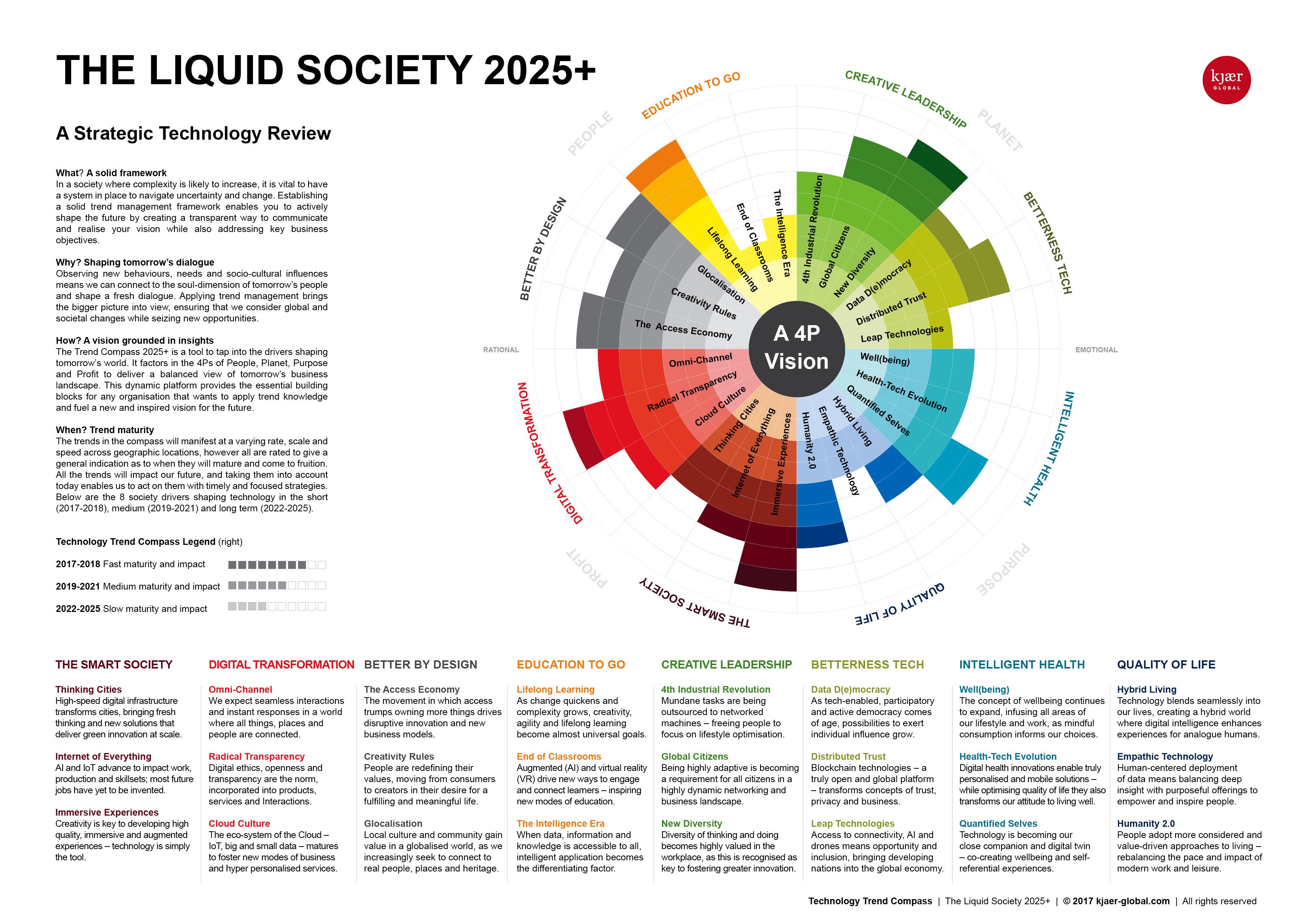
- 3.2 Key Trends Shaping the World of 2025
- 3.3 Trends Prediction 2025: Exploring Related Searches
- 3.4 Trends Prediction 2025: Frequently Asked Questions
- 3.5 Trends Prediction 2025: Tips for Navigating the Future
- 3.6 Conclusion: Embracing the Future with Informed Decisions
- 4 Closure
Navigating the Future: Trends Prediction 2025
The year 2025 may seem distant, but the pace of technological advancement and societal shifts ensures that the next few years will be transformative. Understanding and anticipating these changes is crucial for individuals, businesses, and policymakers alike. Trends prediction 2025 is not about predicting the future with absolute certainty; it is about identifying emerging patterns, analyzing potential trajectories, and preparing for a world that is constantly evolving.
The Power of Anticipation: Why Trends Prediction Matters
Trends prediction 2025 is not merely an intellectual exercise; it is a vital tool for informed decision-making. By understanding potential future trends, organizations can:
- Adapt and innovate: Anticipating changes in consumer behavior, technology, and market dynamics allows businesses to develop products and services that meet evolving needs.
- Allocate resources strategically: By identifying emerging trends, companies can allocate resources to areas with the highest growth potential, maximizing their return on investment.
- Manage risks effectively: Understanding potential challenges and disruptions allows organizations to develop contingency plans and mitigate potential risks.
- Shape the future: Proactive engagement with emerging trends empowers individuals and organizations to contribute to shaping the future in positive and impactful ways.
Key Trends Shaping the World of 2025
Trends prediction 2025 points to several key areas where significant changes are expected. These include:
1. Technological Advancements:
- Artificial Intelligence (AI) and Machine Learning (ML): AI and ML will continue to permeate various aspects of life, from healthcare and finance to transportation and entertainment. Expect advancements in natural language processing, computer vision, and robotics, leading to automation of tasks and improved decision-making.
- Internet of Things (IoT): The interconnectedness of devices will expand exponentially, with smart homes, smart cities, and wearable technology becoming increasingly commonplace. This will lead to greater data collection and analysis, driving innovation in fields like healthcare monitoring and energy management.
- Quantum Computing: Quantum computing, with its potential to solve complex problems beyond the capabilities of classical computers, is poised to revolutionize fields like drug discovery, materials science, and financial modeling.
- Biotechnology and Genetic Engineering: Advances in gene editing and synthetic biology will lead to breakthroughs in personalized medicine, disease prevention, and food production. Ethical considerations and regulatory frameworks will be crucial in guiding these developments.
2. Societal Shifts:
- Demographic Changes: Aging populations in developed countries and rapid urbanization in developing nations will reshape social structures and demand for services.
- Sustainability and Environmental Concerns: Climate change and resource scarcity will drive a shift towards sustainable practices, renewable energy sources, and circular economy models.
- Changing Consumer Behavior: Consumers are increasingly demanding personalized experiences, ethical sourcing, and transparency from brands. This will necessitate a shift towards customer-centric business models and responsible practices.
- Rise of the Gig Economy: The gig economy, characterized by freelance work and flexible employment arrangements, will continue to grow, presenting both opportunities and challenges for workers and businesses.
3. Global Landscape:
- Geopolitical Shifts: The global power balance is shifting, with rising economic and political influence of emerging markets. This will lead to new geopolitical alliances and challenges.
- Globalization and Interconnectedness: The world will become increasingly interconnected, with greater collaboration and exchange across borders. However, this will also require navigating complex issues like cybersecurity and data privacy.
- Economic Volatility: Global economic uncertainties, including trade tensions and technological disruptions, will continue to pose challenges for businesses and policymakers.
Trends Prediction 2025: Exploring Related Searches
Understanding the key trends shaping the world of 2025 is essential for individuals and organizations alike. To provide a comprehensive understanding of these trends, let’s delve into related searches and explore their implications.
1. Future of Work:
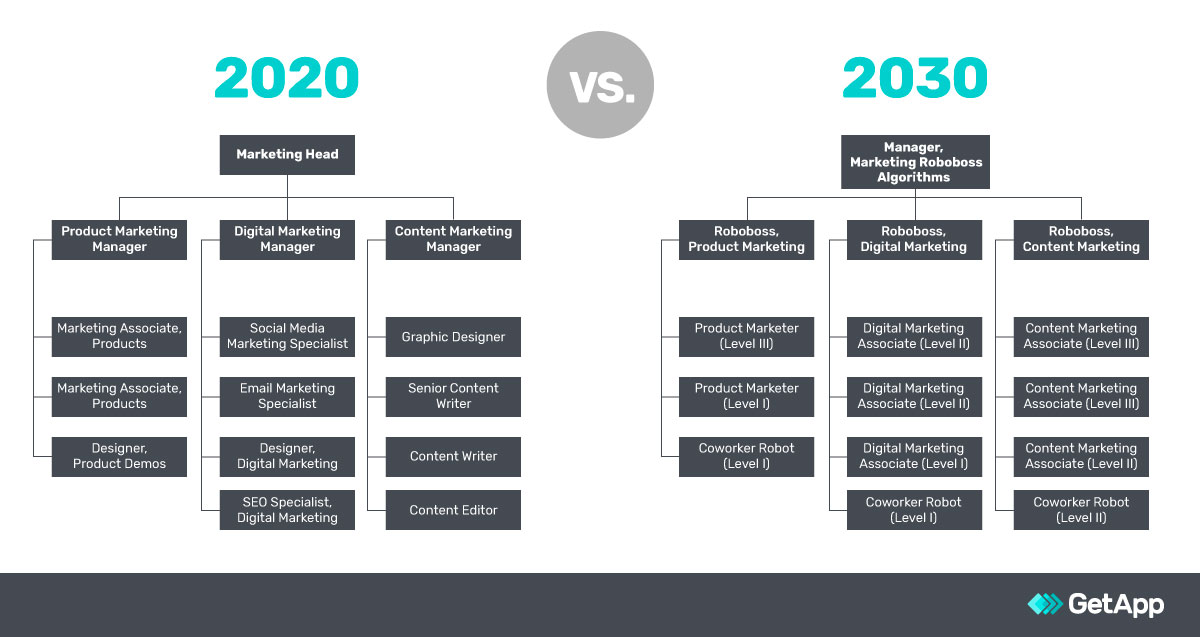
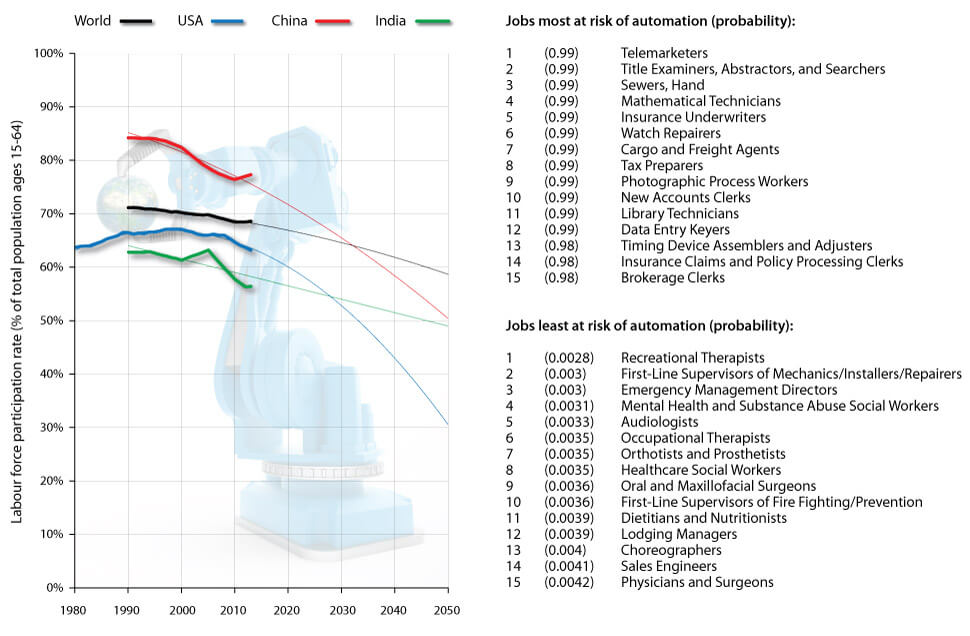
- Automation and Job Displacement: Automation is expected to displace certain jobs, while creating new opportunities in fields related to AI, data analysis, and technology.
- Upskilling and Reskilling: Adapting to the changing job market will require continuous learning and upskilling. Individuals and organizations need to embrace lifelong learning and develop skills relevant to future demands.
- Remote Work and Flexible Employment: The rise of remote work and flexible employment arrangements will continue to transform the way we work, offering greater flexibility and autonomy but also requiring effective communication and collaboration tools.
2. Healthcare and Wellness:
- Personalized Medicine: Advancements in genomics and AI will lead to personalized medicine, tailoring treatments to individual patients’ genetic makeup and specific needs.
- Telehealth and Remote Healthcare: Telehealth will become increasingly prevalent, providing access to healthcare services remotely, especially in underserved areas.
- Preventive Healthcare and Wellness: Focus will shift from treating diseases to preventing them, with emphasis on healthy lifestyle choices, preventative screenings, and personalized health management.
3. Education and Learning:
- Personalized Learning: Educational technologies will enable personalized learning experiences, tailoring content and pace to individual student needs and learning styles.
- Lifelong Learning: The rapid pace of technological change necessitates continuous learning and upskilling throughout one’s career. Education systems will need to adapt to provide lifelong learning opportunities.
- Online Learning and MOOCs: Online learning platforms and Massive Open Online Courses (MOOCs) will continue to expand, providing accessible and affordable education options globally.
4. Consumer Behavior and Retail:
- E-commerce and Omnichannel Retail: E-commerce will continue to grow, while physical stores will evolve to provide unique experiences and integrate seamlessly with online platforms.
- Personalized Experiences and Customer Data: Businesses will leverage data analytics to personalize customer experiences, offering tailored recommendations and services.
- Sustainable Consumption and Ethical Sourcing: Consumers are increasingly demanding sustainable and ethical practices from brands, driving a shift towards eco-friendly products and responsible sourcing.
5. Energy and Sustainability:
- Renewable Energy Sources: Renewable energy sources like solar, wind, and hydro will continue to grow, reducing reliance on fossil fuels and mitigating climate change.
- Energy Efficiency and Smart Grids: Smart grids will optimize energy distribution, reduce waste, and enhance grid resilience.
- Circular Economy and Sustainable Practices: The circular economy, focusing on reducing waste and reusing resources, will gain momentum, promoting sustainability and resource efficiency.
6. Urbanization and Smart Cities:
- Smart Cities and Urban Planning: Cities will increasingly adopt smart technologies to manage traffic, optimize resource usage, and improve quality of life for residents.
- Sustainable Urban Development: Urban planning will focus on sustainable transportation, green spaces, and resource-efficient buildings, promoting livable and resilient cities.
- Urban Mobility and Transportation: Autonomous vehicles, shared mobility services, and smart traffic management systems will transform urban transportation, reducing congestion and improving efficiency.
7. Cybersecurity and Data Privacy:
- Cybersecurity Threats and Data Breaches: Cybersecurity threats will continue to evolve, requiring robust security measures and proactive threat detection.
- Data Privacy and Regulation: Data privacy regulations like GDPR and CCPA will continue to shape how organizations collect, store, and use personal data.
- Artificial Intelligence and Cybersecurity: AI will play a crucial role in enhancing cybersecurity, detecting and preventing cyberattacks, and protecting sensitive data.
8. Politics and Governance:
- Political Polarization and Disinformation: Political polarization and the spread of misinformation online will pose challenges to democratic processes and social cohesion.
- Digital Governance and E-Government: Governments will increasingly leverage technology to improve service delivery, enhance transparency, and engage citizens.
- Global Cooperation and International Relations: Addressing global challenges like climate change, pandemics, and cybercrime will require increased international cooperation and collaboration.
Trends Prediction 2025: Frequently Asked Questions
Trends prediction 2025 is a complex topic, and many questions arise regarding its methods, implications, and applications. Here are some frequently asked questions and their insights:
1. How are trends predicted?
Trends prediction involves a combination of methodologies:
- Trend analysis: Identifying emerging patterns, shifts in consumer behavior, and technological advancements.
- Data mining and analytics: Analyzing large datasets to uncover insights and predict future trends.
- Expert opinion: Gathering perspectives from industry leaders, researchers, and thought leaders.
- Scenario planning: Developing different possible future scenarios based on key uncertainties and trends.
2. What are the limitations of trends prediction?
Trends prediction is not an exact science. It is based on current trends and assumptions about the future, which may not always hold true. Some limitations include:
- Unforeseen events: Unexpected events like natural disasters, political upheavals, or technological breakthroughs can significantly alter the course of trends.
- Bias and subjectivity: Trend prediction can be influenced by biases and subjective interpretations of data.
- Complexity and interconnectedness: The interplay of multiple factors makes it challenging to predict the precise impact of individual trends.
3. How can I use trends prediction in my life?
Trends prediction 2025 can be applied to various aspects of life:
- Career planning: Identify emerging job markets and develop skills relevant to future demands.
- Personal development: Explore new technologies and trends that align with your interests and goals.
- Investment decisions: Make informed investment decisions based on potential future growth areas.
- Social and political engagement: Stay informed about emerging trends and contribute to shaping the future.
4. What are the ethical considerations of trends prediction?
Trends prediction 2025 raises ethical considerations, particularly regarding:
- Data privacy and security: The use of data for trend prediction must be done responsibly, respecting individual privacy and ensuring data security.
- Bias and discrimination: Algorithmic bias in trend prediction models can perpetuate existing social inequalities.
- Social impact and responsibility: The development and application of trends prediction must consider its potential social impact and promote ethical and responsible use.
Trends Prediction 2025: Tips for Navigating the Future
Navigating the future requires a proactive and adaptable approach. Here are some tips for making informed decisions and leveraging trends prediction 2025 to your advantage:
- Stay informed and curious: Continuously seek out information about emerging trends and technologies.
- Develop critical thinking skills: Analyze information critically, evaluating its sources and potential biases.
- Embrace lifelong learning: Develop a growth mindset and continuously learn new skills to adapt to changing demands.
- Be adaptable and flexible: Be prepared to adjust your plans and strategies in response to changing circumstances.
- Foster collaboration and innovation: Engage with others to share ideas, learn from different perspectives, and drive innovation.
Conclusion: Embracing the Future with Informed Decisions
Trends prediction 2025 is not about predicting the future with certainty, but about understanding the forces shaping our world and making informed decisions based on potential trajectories. By staying informed, embracing change, and developing critical thinking skills, individuals and organizations can navigate the future with confidence and shape a better world for all.

Closure
Thus, we hope this article has provided valuable insights into Navigating the Future: Trends Prediction 2025. We hope you find this article informative and beneficial. See you in our next article!