Navigating the Future of Visual Communication: Typographic Trends 2025
Related Articles: Navigating the Future of Visual Communication: Typographic Trends 2025
Introduction
In this auspicious occasion, we are delighted to delve into the intriguing topic related to Navigating the Future of Visual Communication: Typographic Trends 2025. Let’s weave interesting information and offer fresh perspectives to the readers.
Table of Content
Navigating the Future of Visual Communication: Typographic Trends 2025

The world of typography is in constant flux, driven by technological advancements, evolving design aesthetics, and the ever-changing needs of communication. As we step into the future, typographic trends 2025 promise a fascinating fusion of the familiar and the innovative, shaping the way we engage with visual information.
This exploration delves into the key trends that will define the landscape of typography in the coming years, highlighting their impact on visual communication, user experience, and overall brand identity.
1. The Rise of Inclusive Typography
Typographic trends 2025 will be deeply rooted in inclusivity and accessibility. This means prioritizing fonts that cater to diverse reading needs and preferences, fostering a more equitable and engaging experience for all.
- Variable Fonts: These dynamic fonts allow for real-time adjustments of weight, width, and other stylistic features, enabling designers to create highly customized text experiences. This adaptability is crucial for addressing individual reading preferences, particularly in areas like dyslexia, where specific font styles can significantly improve comprehension.
- Open-Source Fonts: The growing popularity of open-source fonts promotes accessibility and collaboration. These freely available fonts empower designers and users to explore diverse typographic options without cost barriers, fostering a more inclusive and equitable design landscape.
- Multilingual Support: As global communication becomes increasingly prevalent, fonts with comprehensive multilingual support will be essential. This ensures seamless readability across languages, fostering greater inclusivity and fostering a sense of universal understanding.
2. The Fusion of Typography and Motion
The boundaries between static and dynamic typography are blurring. Typographic trends 2025 will see a surge in the use of motion graphics, creating captivating and interactive text experiences.
- Kinetic Typography: This technique uses animation to bring typography to life, adding depth and dynamism to visual communication. From subtle animations to full-blown motion graphics, kinetic typography enhances engagement and storytelling capabilities.
- Interactive Typography: The rise of interactive experiences will lead to typography that responds to user input. This can range from simple hover effects to complex animations triggered by user actions, creating dynamic and engaging text interactions.
- Immersive Typography: Virtual and augmented reality (VR/AR) technologies will allow for immersive typographic experiences. Imagine text that appears three-dimensional, interacts with the environment, or even transforms into tangible objects, creating a truly engaging and memorable experience.
3. The Embrace of Experimental Typefaces
Typographic trends 2025 will see a surge in experimentation, with designers pushing the boundaries of traditional typography. This will lead to the emergence of unconventional typefaces with unique characteristics and expressive qualities.
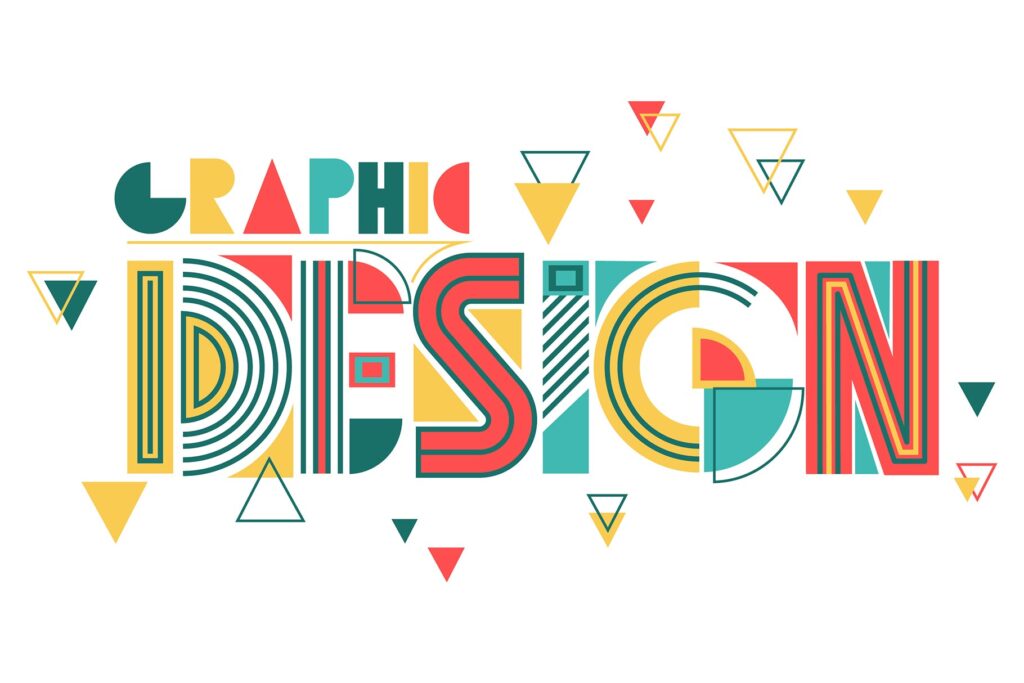
- Geometric Typography: This trend involves using precise geometric shapes to construct letters, creating a clean, modern aesthetic. Geometric typefaces often possess a futuristic feel, adding a unique visual element to contemporary designs.
- Hand-Drawn Typography: The human touch is making a comeback, with hand-drawn typefaces gaining popularity. This trend reflects a desire for authenticity and individuality, adding a personal touch to visual communication.
- 3D Typography: This trend involves creating three-dimensional text, offering a new level of depth and realism to design. 3D typography can be used to create striking visual effects, adding a sense of dynamism and dimensionality to visual communication.
4. The Importance of Sustainability
Typographic trends 2025 will be driven by a growing awareness of sustainability. This means designers will prioritize eco-friendly practices, selecting fonts that minimize environmental impact and promoting responsible design principles.
- Low-Resolution Fonts: These fonts are designed to be legible even at small sizes, reducing the need for high-resolution displays and minimizing energy consumption.
- Open-Source Fonts: The open-source nature of these fonts promotes sustainability by encouraging collaboration and reducing reliance on proprietary software.
- Sustainable Design Practices: Designers will adopt sustainable practices, such as using recycled materials for printed materials and minimizing the use of energy-intensive processes.
5. The Dominance of Minimalism
Typographic trends 2025 will continue to embrace minimalism, emphasizing clean lines, simple forms, and a focus on legibility. This trend reflects a desire for clarity and efficiency in visual communication.
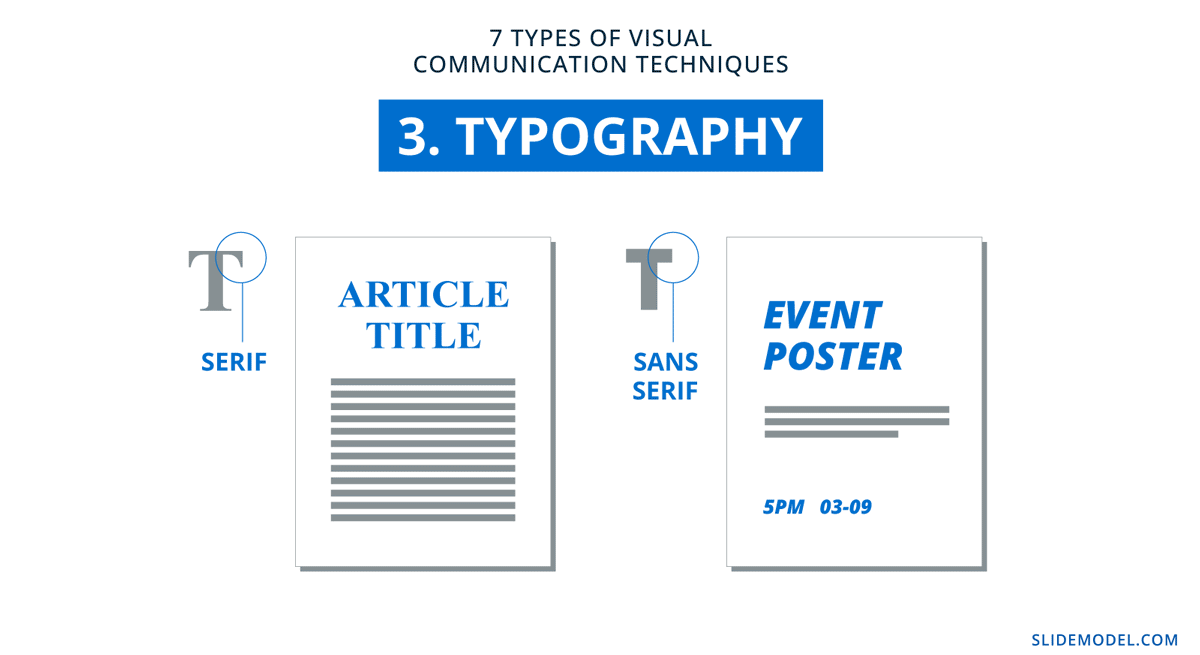
- Sans-Serif Fonts: These fonts, characterized by their lack of decorative strokes, offer a clean and uncluttered aesthetic, making them ideal for digital interfaces and modern designs.
- Monospaced Fonts: These fonts feature characters with equal widths, creating a sense of uniformity and visual balance. They are often used for coding, programming, and creating a minimalist aesthetic.
- Geometric Typography: This trend, discussed earlier, aligns with minimalist principles, utilizing geometric shapes to create clean and modern typefaces.
6. The Power of Personalization
Typographic trends 2025 will see a growing focus on personalization, allowing users to customize their typographic experiences. This trend reflects a desire for individual expression and a move away from generic design solutions.
- Variable Fonts: These dynamic fonts allow for real-time adjustments, enabling users to personalize their text experiences based on their preferences.
- Custom Font Creation Tools: The emergence of user-friendly font creation tools empowers individuals to design their own unique typefaces, fostering a sense of personal expression and creative freedom.
- Dynamic Typography: This approach allows for text to adapt to different contexts and user interactions, creating a more personalized and engaging experience.
7. The Rise of AI-Powered Typography
Typographic trends 2025 will be significantly influenced by artificial intelligence (AI). AI algorithms will play a crucial role in generating new typefaces, optimizing font performance, and automating design processes.
- AI-Generated Fonts: Machine learning algorithms can analyze vast datasets of existing fonts to generate new, unique typefaces, pushing the boundaries of typographic design.
- Font Optimization Tools: AI can be used to optimize font performance, ensuring readability, legibility, and visual appeal across different screen sizes and devices.
- Automated Typography: AI can automate repetitive tasks, such as setting font sizes, adjusting line spacing, and creating typographic layouts, freeing up designers to focus on creative aspects.
8. The Importance of User Experience (UX)
Typographic trends 2025 will prioritize user experience (UX) as a key factor in typographic design. This means focusing on readability, legibility, and overall ease of use, creating a positive and engaging experience for users.
- Font Choice for Readability: Designers will carefully select fonts that prioritize readability, considering factors like letterform clarity, contrast, and spacing.
- Hierarchy and Structure: Typography plays a crucial role in establishing visual hierarchy and structure, guiding users through information and enhancing comprehension.
- Accessibility Considerations: Designers will prioritize accessibility, ensuring that typography is legible for users with visual impairments or other disabilities.
Related Searches
Here’s an in-depth exploration of related searches surrounding typographic trends 2025, offering further insights into the evolving landscape of typography:
1. Future of Typography: This broad search explores the long-term trends and predictions for the field of typography. It delves into emerging technologies, changing design aesthetics, and the evolving role of typography in communication.
2. Typography Trends 2024: Examining the typographic trends that dominated 2024 provides a foundation for understanding the trajectory of design in the years to come. This exploration reveals the key influences that shaped the typographic landscape and set the stage for the trends of 2025.
3. Best Fonts for 2025: This search focuses on identifying the most popular and effective fonts for use in 2025. It explores the characteristics that make certain fonts stand out, considering factors like readability, versatility, and aesthetic appeal.
4. Graphic Design Trends 2025: Typography is an integral part of graphic design. Exploring broader graphic design trends for 2025 provides context for understanding how typography will be used within the larger design landscape. This includes trends in color palettes, visual styles, and overall design principles.
5. Web Design Trends 2025: The web is a key platform for visual communication. Exploring web design trends for 2025 reveals how typography will be utilized in digital interfaces, including trends in website layout, user experience, and interactive design.
6. Typography Software 2025: This search focuses on the software tools used for creating and manipulating typography. It explores the latest advancements in typography software, including features for font creation, design, and optimization.
7. Typography in Branding: This search explores the role of typography in brand identity. It examines how different typefaces can communicate brand values, personality, and messaging, shaping the overall brand experience.
8. Typography for Accessibility: This search focuses on the importance of typography for accessibility. It delves into the design principles and best practices for creating typography that is legible and accessible for users with diverse needs and disabilities.
FAQs
1. How will AI impact typography in 2025?
AI will revolutionize typography in several ways. It will be used to generate new typefaces, optimize font performance, and automate design tasks. AI algorithms can analyze vast datasets of existing fonts to create innovative designs, while also ensuring optimal readability and legibility across different platforms.
2. What are the key factors driving typographic trends in 2025?
Typographic trends in 2025 are driven by a combination of factors, including technological advancements, evolving design aesthetics, and the growing importance of inclusivity, sustainability, and user experience.
3. How can I stay up-to-date on the latest typographic trends?
To stay informed about typographic trends 2025, follow industry publications, attend design conferences, and explore online resources dedicated to typography. Engaging with the design community through online forums and social media platforms can also provide valuable insights.
4. What are the benefits of using inclusive typography?
Inclusive typography fosters a more equitable and engaging experience for all users. It caters to diverse reading needs and preferences, promoting accessibility and ensuring that communication is accessible to a broader audience.
5. How can I incorporate sustainability into my typographic design?
Prioritize fonts that minimize environmental impact, such as low-resolution fonts and open-source options. Consider using recycled materials for printed materials and minimizing energy-intensive processes in your design workflow.
Tips
1. Embrace Experimentation: Don’t be afraid to explore unconventional typefaces and experiment with new typographic techniques. The future of typography lies in pushing boundaries and embracing innovation.
2. Prioritize Readability: Ensure that your typography is legible and easy to read across different platforms and devices. Choose fonts that prioritize clarity and minimize visual distractions.
3. Consider Accessibility: Design typography that is accessible to all users, including those with visual impairments or other disabilities. Follow accessibility guidelines and use font choices that promote inclusivity.
4. Stay Informed: Continuously research and stay informed about the latest typographic trends and advancements. Attend industry events, explore online resources, and engage with the design community.
5. Embrace Collaboration: Collaborate with other designers, developers, and industry experts to share knowledge, explore new ideas, and push the boundaries of typographic design.
Conclusion
Typographic trends 2025 will be characterized by a dynamic fusion of innovation, inclusivity, and user-centric design. The integration of AI, the rise of immersive experiences, and the focus on sustainability will shape the future of visual communication, creating a more engaging, accessible, and dynamic typographic landscape. By embracing these trends, designers can create impactful and memorable experiences that resonate with audiences and shape the future of visual communication.


Closure
Thus, we hope this article has provided valuable insights into Navigating the Future of Visual Communication: Typographic Trends 2025. We hope you find this article informative and beneficial. See you in our next article!