Navigating the Future of Food: Health Food Trends for 2025
Related Articles: Navigating the Future of Food: Health Food Trends for 2025
Introduction
With great pleasure, we will explore the intriguing topic related to Navigating the Future of Food: Health Food Trends for 2025. Let’s weave interesting information and offer fresh perspectives to the readers.
Table of Content
Navigating the Future of Food: Health Food Trends for 2025
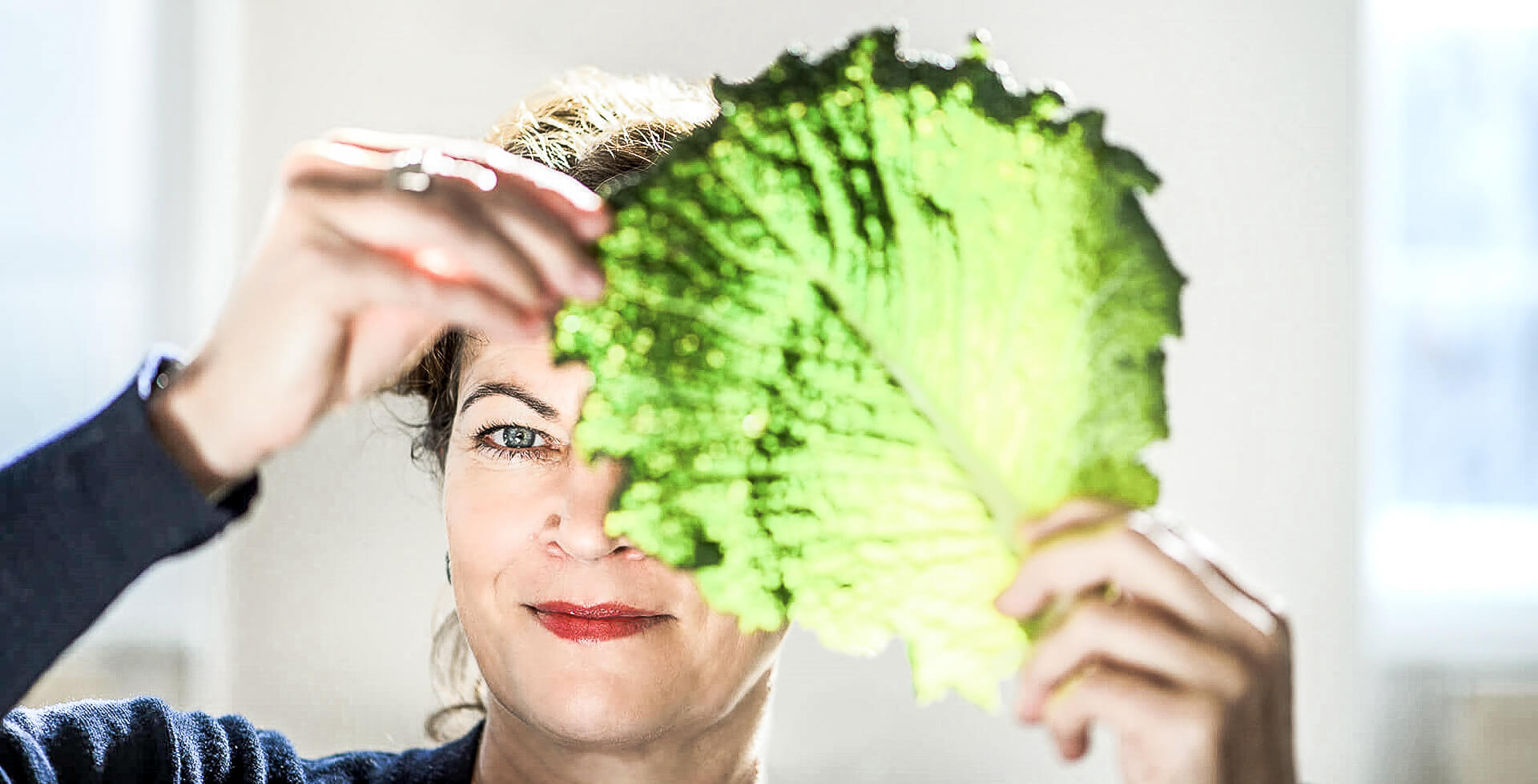
The world of food is constantly evolving, driven by advancements in technology, changing consumer preferences, and a growing awareness of the impact of diet on overall health. As we look towards 2025, a new wave of health food trends is emerging, promising not only delicious and satisfying culinary experiences but also a deeper connection to well-being. This exploration delves into the key trends shaping the future of food, examining their implications for both individuals and the wider food industry.
1. Personalized Nutrition: Tailoring Food to the Individual
The one-size-fits-all approach to nutrition is becoming increasingly outdated. Personalized nutrition, driven by advancements in genetics, microbiome analysis, and wearable technology, is gaining traction. This trend focuses on understanding individual needs and tailoring dietary recommendations accordingly.
- Genetic Testing: Genetic testing can reveal predispositions to certain health conditions or dietary sensitivities, enabling individuals to make informed choices about their food intake.
- Microbiome Analysis: The gut microbiome plays a crucial role in digestion, immunity, and overall health. By analyzing the composition of gut bacteria, personalized dietary interventions can be designed to optimize gut health.
- Wearable Technology: Wearable devices can track dietary intake, sleep patterns, and physical activity, providing valuable data for personalized nutrition plans.
2. Plant-Based Power: The Rise of Veganism and Vegetarianism
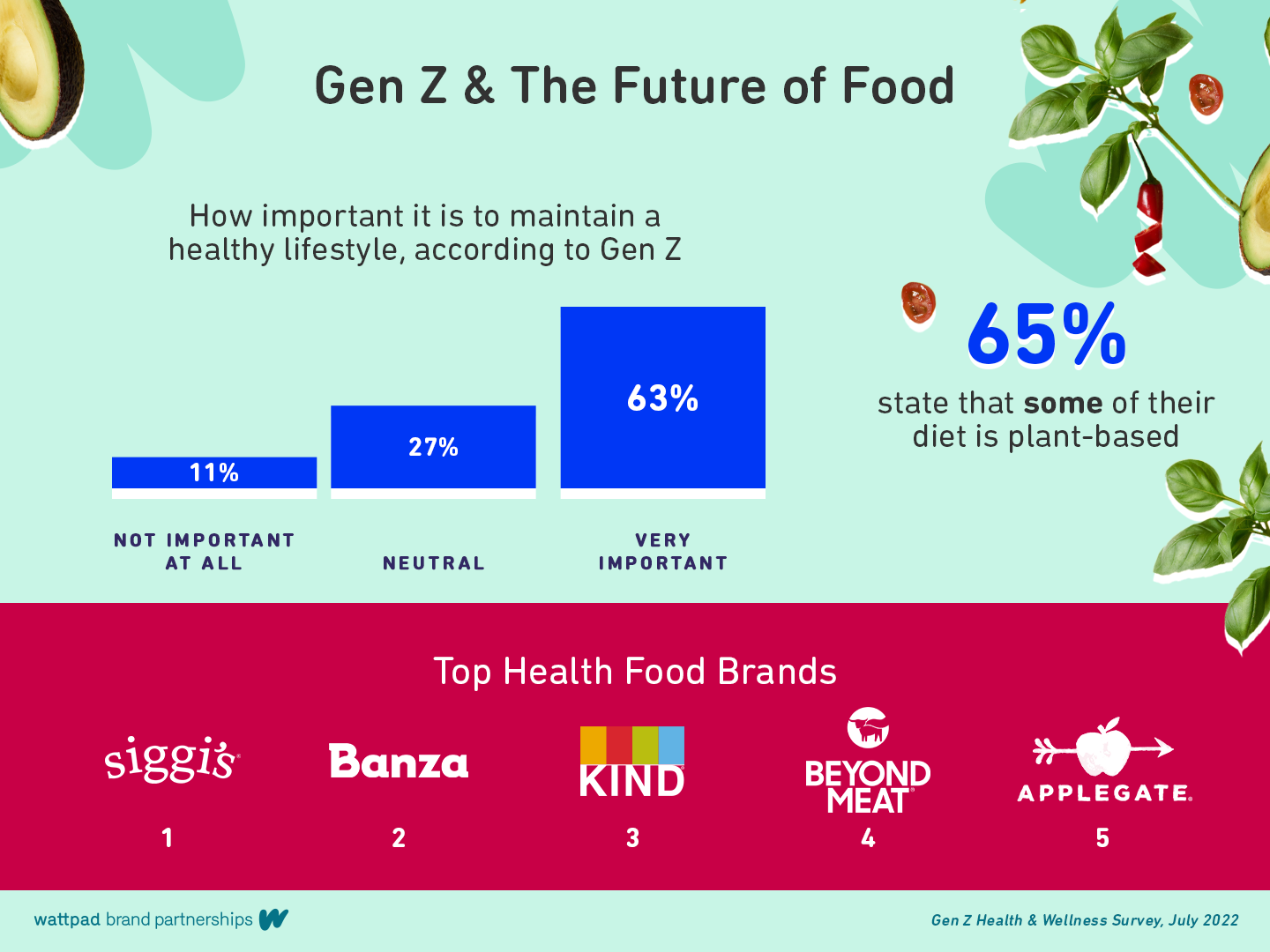
The popularity of plant-based diets continues to rise, fueled by concerns about animal welfare, environmental sustainability, and health benefits. Veganism and vegetarianism are no longer niche lifestyles; they are becoming mainstream dietary choices.
- Beyond Meat: Plant-based meat alternatives are becoming increasingly sophisticated, offering convincing meat-like textures and flavors. This innovation has expanded the appeal of plant-based diets, making them more accessible to a wider audience.
- Sustainable Agriculture: Plant-based diets often align with sustainable agriculture practices, reducing the environmental impact of food production. This trend is attracting consumers who are increasingly conscious of their ecological footprint.
- Health Benefits: Plant-based diets are often associated with lower risks of chronic diseases such as heart disease, type 2 diabetes, and some types of cancer. This health focus is driving the adoption of plant-based lifestyles.
3. Functional Foods: Beyond Basic Nutrition
Functional foods go beyond basic nutrition, offering specific health benefits beyond those provided by traditional foods. These foods are often fortified with nutrients, probiotics, or other bioactive compounds designed to target specific health concerns.
- Gut Health Focus: Probiotics and prebiotics are increasingly incorporated into foods and beverages, promoting gut health and supporting overall well-being.
- Anti-Inflammatory Foods: Foods rich in antioxidants and omega-3 fatty acids are gaining popularity due to their potential anti-inflammatory properties.
- Brain Health: Foods containing choline, omega-3 fatty acids, and antioxidants are promoted for their potential cognitive benefits, supporting brain health and memory function.
4. The Transparency Revolution: Knowing What’s in Your Food
Consumers are demanding greater transparency in the food industry. This trend is driven by a desire to understand the origin, ingredients, and processing methods of the food they consume.
- Clean Label Movement: Consumers are seeking products with simple, recognizable ingredients and avoiding artificial additives, preservatives, and genetically modified organisms (GMOs).
- Traceability Technology: Blockchain technology and other traceability systems are being implemented to track food from farm to table, providing consumers with greater confidence in the origin and quality of their food.
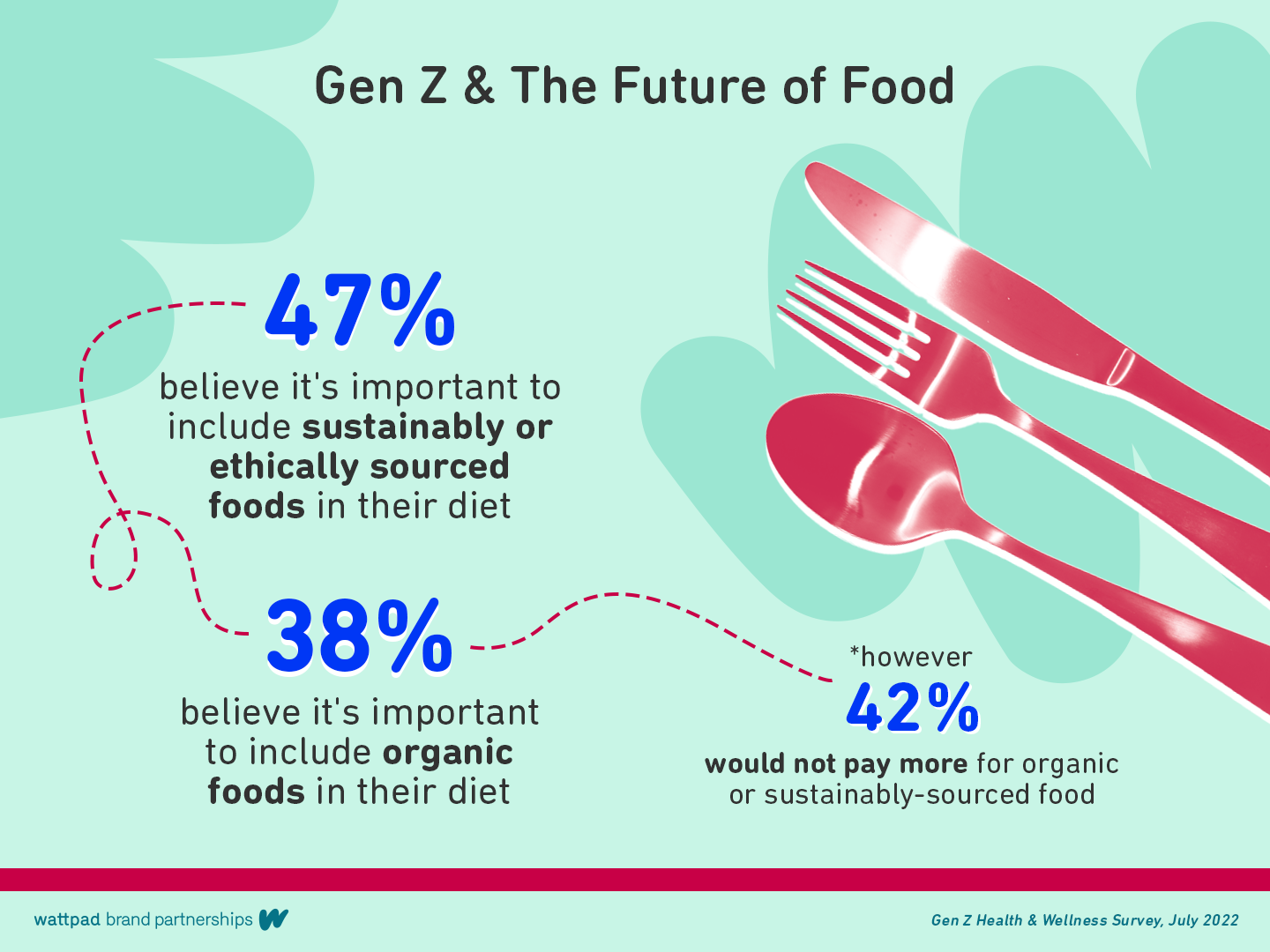
- Ethical Sourcing: Consumers are increasingly interested in ethical sourcing practices, supporting brands that prioritize fair labor standards, sustainable farming practices, and animal welfare.
5. The Rise of the Conscious Consumer: Food and Sustainability
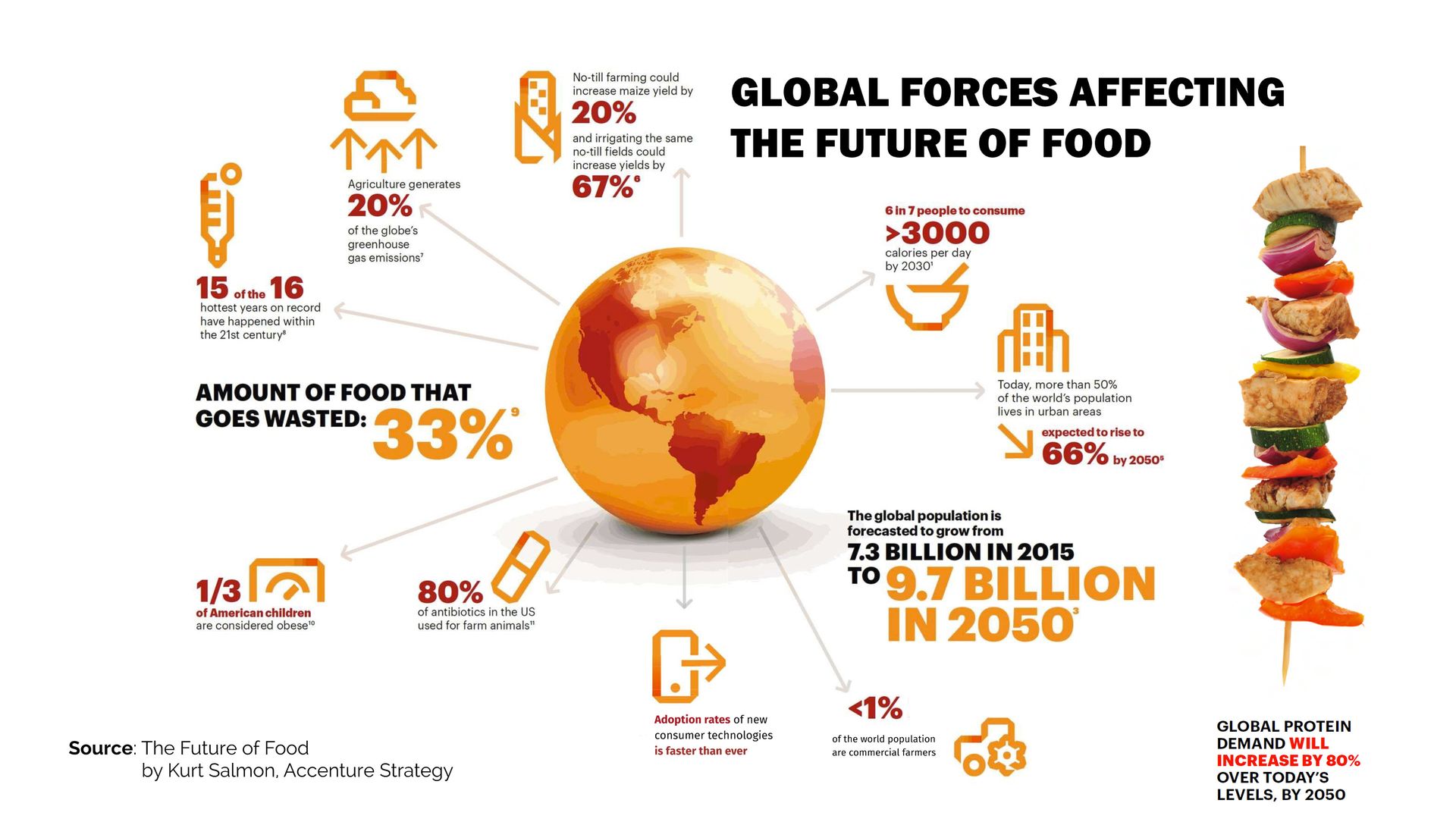
Environmental concerns are influencing food choices. Conscious consumers are seeking sustainable and ethical food options that minimize their environmental impact.
- Local and Seasonal Eating: Supporting local farmers and consuming seasonal produce reduces food miles and promotes sustainable agriculture.
- Reduced Food Waste: Consumers are becoming more aware of the environmental and economic costs of food waste. Reducing food waste at home and supporting initiatives that combat food waste are becoming increasingly important.
- Eco-Friendly Packaging: Consumers are gravitating towards brands that use sustainable packaging materials and reduce their overall environmental footprint.
6. The Future of Food: Alternative Protein Sources
Beyond plant-based alternatives, the search for sustainable and ethical protein sources is leading to innovative approaches.
- Insect Protein: Insect farming is gaining traction as a sustainable and efficient source of protein. Insects are highly nutritious and require minimal resources to grow.
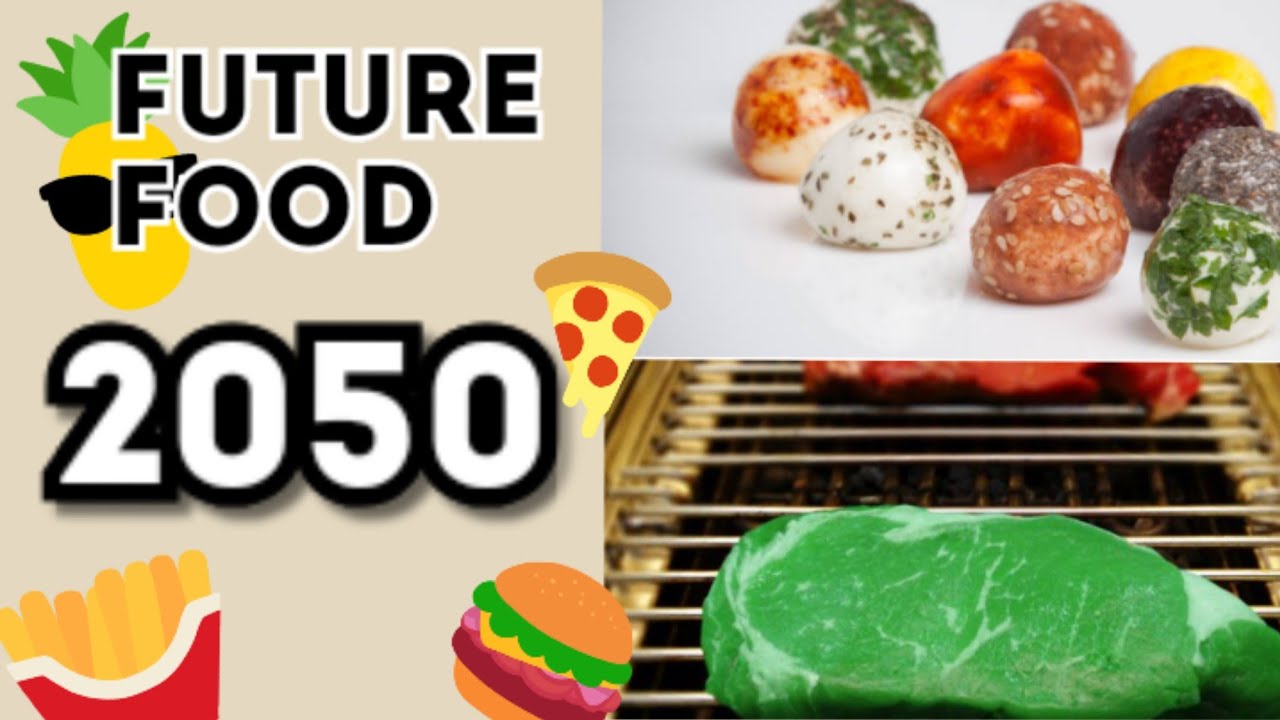
- Cellular Agriculture: Cultured meat, produced by growing animal cells in a lab, is emerging as a potential alternative to traditional meat production, offering a more sustainable and ethical option.
- Algae-Based Protein: Algae is a highly nutritious and sustainable source of protein, offering a promising alternative to traditional protein sources.
7. The Power of Microbiota: Understanding the Gut-Brain Connection
The gut microbiome is increasingly recognized for its impact on overall health, including mental well-being.
- Prebiotics and Probiotics: These ingredients are gaining popularity for their role in supporting a healthy gut microbiome, which can influence mood, cognitive function, and overall well-being.
- Fermented Foods: Fermented foods, such as yogurt, kefir, and sauerkraut, are rich in probiotics, promoting a healthy gut microbiome.
- Mind-Gut Connection: Research is exploring the link between gut health and mental health, highlighting the importance of a balanced microbiome for optimal brain function.
8. The Culinary Revolution: Global Flavors and Culinary Innovation
The culinary landscape is expanding, reflecting a growing appreciation for global flavors and innovative cooking techniques.
- Fusion Cuisine: Blending of different culinary traditions is creating exciting new dishes that combine diverse flavors and ingredients.
- Modern Techniques: Advanced cooking techniques, such as sous vide and molecular gastronomy, are transforming the way food is prepared, offering new textures, flavors, and presentations.
- Food as Art: Food is increasingly viewed as a form of art, with chefs and home cooks alike pushing the boundaries of creativity in the kitchen.
Related Searches:
- Future of Food Trends: This search explores broader trends shaping the future of food, including technological advancements, consumer preferences, and global food systems.
- Healthy Eating Trends 2025: This search focuses on specific trends related to healthy eating, such as plant-based diets, functional foods, and personalized nutrition.
- Food Sustainability Trends: This search examines trends related to sustainable food production, consumption, and waste reduction.
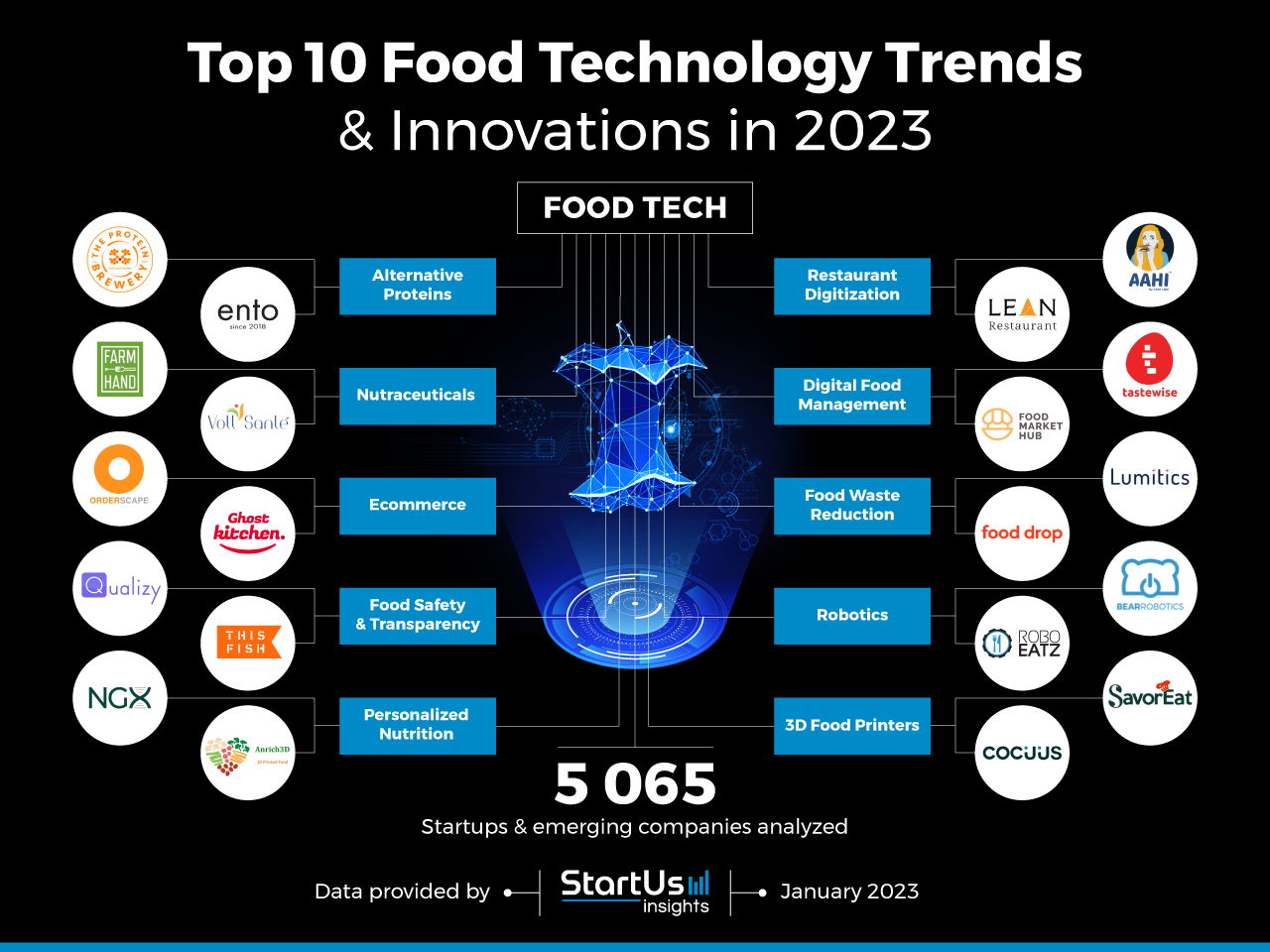
- Food Technology Trends: This search explores technological innovations impacting the food industry, such as food processing, packaging, and delivery.
- Nutrition Trends 2025: This search focuses on emerging trends in nutrition science, such as the role of the microbiome, personalized nutrition, and the impact of diet on health.
- Vegan Food Trends: This search delves into specific trends within the vegan food industry, such as plant-based meat alternatives, vegan cheese, and vegan desserts.
- Food Waste Reduction Trends: This search examines initiatives and trends aimed at reducing food waste throughout the supply chain and at the consumer level.
- Ethical Food Consumption: This search explores the growing trend of consumers seeking food produced ethically, with a focus on animal welfare, fair labor practices, and sustainable farming.
FAQs about Health Food Trends 2025:
1. What are the key drivers behind health food trends 2025 ?
The key drivers behind these trends include:
- Increased awareness of health and well-being: Consumers are increasingly prioritizing their health, leading to a greater demand for nutritious and functional foods.
- Growing environmental concerns: Consumers are concerned about the environmental impact of food production and consumption, driving the demand for sustainable and ethical food options.
- Advancements in technology: Technological innovations are enabling personalized nutrition, traceability, and new food production methods, shaping the future of food.
- Changing consumer preferences: Consumer preferences are evolving, with a growing interest in plant-based diets, global flavors, and innovative culinary experiences.
2. How will these trends impact the food industry?
These trends will significantly impact the food industry, leading to:
- Increased demand for plant-based and alternative protein sources: The growth of veganism and vegetarianism, coupled with concerns about animal welfare and sustainability, will drive the development and availability of plant-based and alternative protein sources.
- Focus on personalized nutrition: The food industry will need to adapt to the growing demand for personalized nutrition, offering tailored products and services based on individual needs and preferences.
- Emphasis on transparency and traceability: Consumers will demand greater transparency in the food supply chain, requiring brands to provide detailed information about the origin, ingredients, and processing methods of their products.
- Innovation in food technology: Advancements in food technology will enable new food production methods, packaging solutions, and delivery systems, shaping the future of the food industry.
3. What are some tips for staying ahead of health food trends 2025?
- Stay informed: Read industry publications, follow food influencers, and attend food conferences to stay up-to-date on emerging trends.
- Experiment with new foods and flavors: Be open to trying new plant-based alternatives, functional foods, and global cuisines.
- Support local farmers and sustainable brands: Choose local and seasonal produce and support brands that prioritize ethical sourcing and sustainable practices.
- Reduce food waste: Be mindful of food waste at home and support initiatives that combat food waste on a larger scale.
- Consider personalized nutrition: Explore options for genetic testing or microbiome analysis to gain insights into your individual needs and dietary recommendations.
Conclusion:
The future of food is exciting and dynamic, driven by a confluence of factors that are transforming the way we eat, think about food, and interact with the food system. Health food trends 2025 are not simply about fads or fleeting trends; they represent a fundamental shift towards a more conscious, sustainable, and personalized approach to food. By understanding these trends, individuals can make informed choices about their diet and contribute to a healthier and more sustainable future for all.


Closure
Thus, we hope this article has provided valuable insights into Navigating the Future of Food: Health Food Trends for 2025. We hope you find this article informative and beneficial. See you in our next article!