Navigating the Future of Dining: Restaurant Trends for 2025
Related Articles: Navigating the Future of Dining: Restaurant Trends for 2025
Introduction
With great pleasure, we will explore the intriguing topic related to Navigating the Future of Dining: Restaurant Trends for 2025. Let’s weave interesting information and offer fresh perspectives to the readers.
Table of Content
Navigating the Future of Dining: Restaurant Trends for 2025
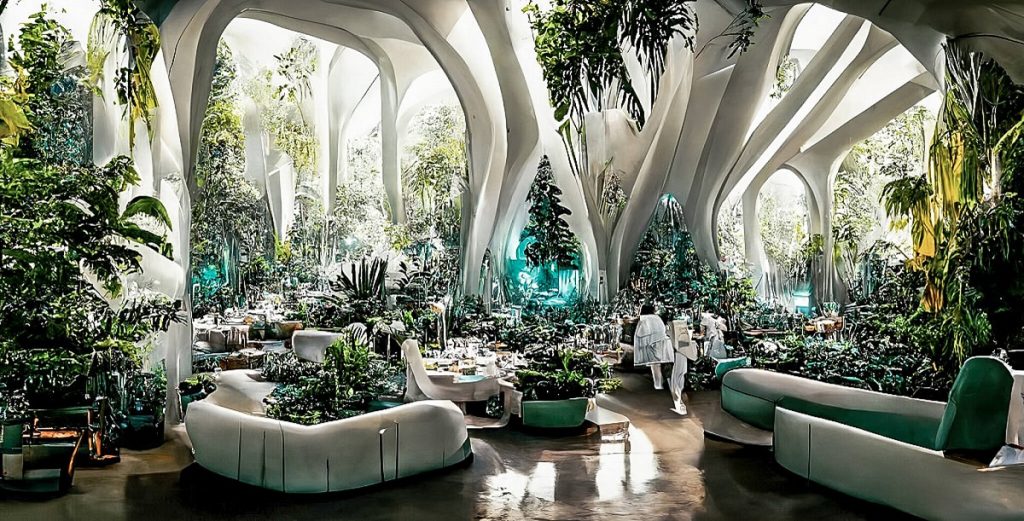
The restaurant industry is in constant flux, driven by evolving consumer preferences, technological advancements, and global events. As we approach 2025, several key trends are poised to reshape the dining landscape, impacting everything from menu design to customer service. Understanding these trends is crucial for restaurants seeking to remain competitive and thrive in the years to come.
1. Hyper-Personalization:
The era of mass-produced dining is fading. Consumers are increasingly demanding personalized experiences, tailored to their individual needs and preferences. This trend manifests in several ways:
- Personalized Menus: Restaurants are embracing dynamic menus that adapt based on dietary restrictions, allergies, and even individual taste profiles. This allows for a more inclusive and satisfying dining experience.
- Data-Driven Recommendations: Utilizing customer data, restaurants can offer personalized recommendations for dishes, wines, and even seating arrangements. This level of service fosters a feeling of being understood and valued.
- Customized Service: Restaurants are investing in technology that allows for personalized communication with diners, from reservation confirmations to post-meal follow-ups. This fosters a sense of connection and loyalty.
2. The Rise of Ghost Kitchens:
Ghost kitchens, also known as virtual kitchens, are facilities dedicated solely to preparing food for delivery. These kitchens operate without a traditional storefront, relying entirely on online ordering platforms. This trend offers several benefits:
- Reduced Overhead: Ghost kitchens eliminate the need for expensive storefronts, allowing restaurants to focus on food preparation and delivery. This translates to lower operating costs and potentially higher profit margins.
- Increased Efficiency: By specializing in delivery, ghost kitchens can streamline operations and optimize delivery times. This leads to a more efficient and cost-effective model.
- Expanded Reach: Ghost kitchens enable restaurants to reach a wider customer base, expanding their market reach beyond geographical limitations. This allows for greater flexibility and scalability.
3. The Power of Plant-Based Cuisine:
The demand for plant-based options continues to surge, driven by growing awareness of environmental sustainability, health concerns, and ethical considerations. Restaurants are responding by:
- Expanding Plant-Based Menus: Offering a wider variety of plant-based dishes, from innovative vegan entrees to creative meat-free alternatives. This ensures that plant-based diners have ample choices and feel included.
- Focusing on Flavor and Texture: Plant-based cuisine is no longer limited to salads and tofu. Restaurants are experimenting with innovative techniques and ingredients to create flavorful and texturally diverse dishes.
- Investing in Plant-Based Ingredients: Sourcing high-quality, sustainable plant-based ingredients to elevate the quality and taste of their offerings. This demonstrates a commitment to responsible sourcing and ethical practices.
4. The Integration of Technology:
Technology is transforming the restaurant experience, enhancing efficiency, convenience, and customer satisfaction. Key trends include:
- Contactless Ordering and Payment: Enabling diners to order and pay for their meals without interacting with staff. This fosters a sense of safety and convenience, particularly in the post-pandemic world.
- Table Management Systems: Optimizing seating arrangements, managing reservations, and streamlining the flow of customers. This enhances operational efficiency and improves the overall dining experience.
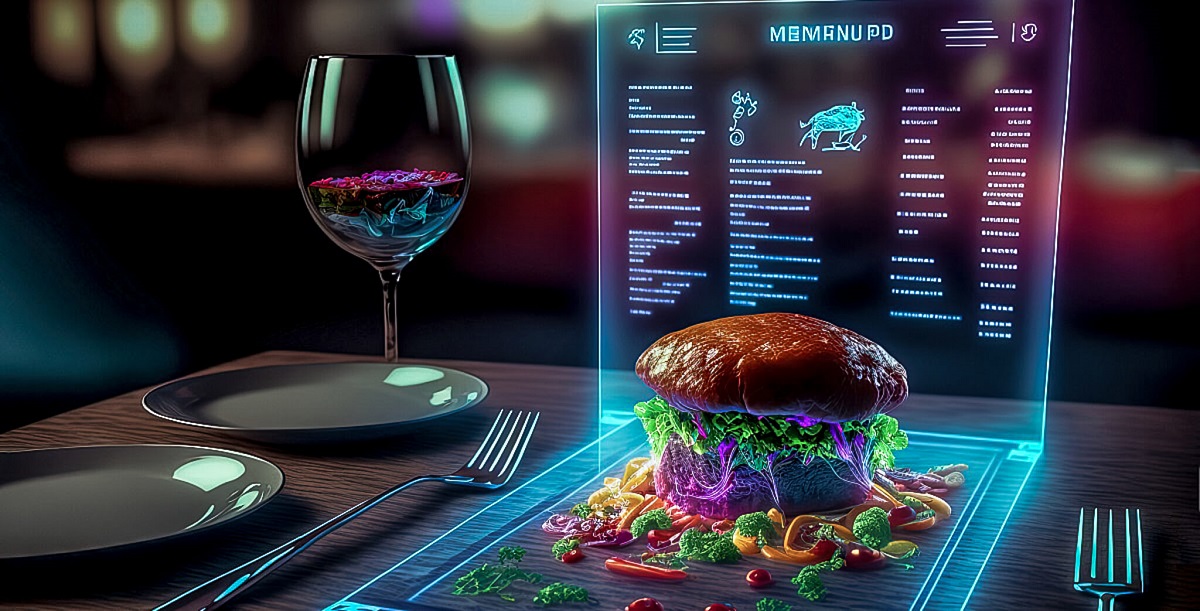
- Interactive Menu Boards: Providing diners with detailed information about dishes, ingredients, and nutritional values. This empowers diners to make informed choices and enhances the overall dining experience.
5. Sustainability and Ethical Sourcing:
Consumers are increasingly concerned about the environmental and ethical impact of their food choices. Restaurants are responding by:
- Sourcing Locally and Seasonally: Prioritizing local and seasonal ingredients to reduce transportation costs and support local farmers. This promotes sustainability and fosters a connection with the community.
- Reducing Food Waste: Implementing strategies to minimize food waste, such as composting, donating excess food, and creating innovative recipes with leftover ingredients. This reduces environmental impact and promotes responsible practices.
- Promoting Sustainable Practices: Implementing sustainable practices throughout the restaurant, from energy efficiency to responsible waste management. This demonstrates a commitment to environmental responsibility and attracts environmentally conscious customers.
6. The Rise of Food Hall Experiences:
Food halls offer a curated selection of diverse culinary experiences under one roof, attracting a wide range of customers. This trend offers several advantages:
- Variety and Choice: Food halls provide a diverse selection of cuisines, catering to various tastes and preferences. This caters to the growing demand for diverse culinary experiences.
- Shared Space, Shared Costs: Food halls allow vendors to share common space and resources, reducing overhead costs and increasing profitability. This fosters a collaborative and supportive environment.
- Social and Community Focus: Food halls create a vibrant and social atmosphere, attracting people seeking a communal dining experience. This fosters a sense of community and encourages social interaction.
7. The Importance of Community Engagement:
Restaurants are recognizing the importance of building strong relationships with their local communities. This involves:
- Supporting Local Charities: Partnering with local charities and organizations to support community initiatives and give back to the community. This fosters goodwill and strengthens community ties.
- Hosting Community Events: Organizing events like cooking classes, wine tastings, and live music performances to engage with the local community. This creates a sense of belonging and fosters a loyal customer base.
- Promoting Local Businesses: Collaborating with other local businesses to create a thriving community ecosystem. This fosters a sense of community pride and attracts customers seeking local experiences.
8. The Focus on Wellness and Health:
Consumers are increasingly prioritizing their health and well-being, seeking restaurants that offer nutritious and wholesome options. This translates to:
- Offering Healthier Choices: Providing a variety of dishes that cater to dietary restrictions, allergies, and health-conscious preferences. This ensures that customers have access to healthy and delicious options.
- Transparency in Ingredients: Clearly labeling dishes with nutritional information and ingredient lists to empower diners to make informed choices. This promotes transparency and builds trust with customers.
- Focusing on Fresh and Whole Ingredients: Prioritizing fresh, whole ingredients and minimizing processed foods to offer healthier and more flavorful meals. This demonstrates a commitment to quality and promotes a healthy lifestyle.
Related Searches
1. Future of Food Delivery: The rise of ghost kitchens and the increasing reliance on online ordering platforms are driving the evolution of food delivery. This includes the development of autonomous delivery vehicles, advanced delivery algorithms, and innovative packaging solutions.
2. Restaurant Technology Trends: Technology is revolutionizing the restaurant industry, from self-ordering kiosks and table management systems to AI-powered chatbots and virtual reality dining experiences. These advancements are designed to improve efficiency, enhance customer service, and create a more immersive dining experience.
3. Sustainable Restaurant Practices: As environmental awareness grows, restaurants are increasingly adopting sustainable practices, from sourcing local and organic ingredients to reducing food waste and implementing energy-efficient systems. This trend is driven by consumer demand and a growing awareness of the environmental impact of the food industry.
4. Plant-Based Food Trends: The plant-based movement is gaining momentum, with restaurants offering a wider variety of vegan and vegetarian options, including innovative plant-based meat alternatives and creative plant-based dishes. This trend is fueled by growing concerns about animal welfare, environmental sustainability, and health.
5. Food Hall Growth: Food halls are gaining popularity as a dining destination, offering a diverse range of culinary experiences under one roof. This trend is driven by the desire for variety, convenience, and a vibrant social atmosphere.
6. Restaurant Design Trends: Restaurant design is evolving to create more inviting and engaging spaces, with a focus on comfort, aesthetics, and functionality. This includes incorporating natural elements, incorporating technology, and creating unique and memorable experiences.
7. Restaurant Marketing Trends: Restaurant marketing is becoming more sophisticated, leveraging social media, influencer marketing, and data analytics to reach target audiences and promote their offerings. This trend is driven by the need to stand out in a crowded market and connect with a digitally savvy consumer base.
8. Restaurant Staffing Challenges: The restaurant industry faces ongoing staffing challenges, driven by factors such as labor shortages, low wages, and changing employee expectations. This trend is leading to innovative solutions, such as automation, employee training programs, and improved working conditions.
Frequently Asked Questions (FAQs)
Q: How will restaurant trends in 2025 impact the dining experience?
A: Restaurant trends in 2025 are poised to significantly enhance the dining experience. Hyper-personalization will create tailored menus and services catering to individual needs. Technology will streamline ordering, payment, and table management, while sustainability practices will promote responsible food sourcing and environmental awareness. These trends will create a more convenient, efficient, and enjoyable dining experience for customers.
Q: What are the key benefits of ghost kitchens for restaurants?
A: Ghost kitchens offer several benefits for restaurants, including reduced overhead costs due to the absence of a storefront, increased efficiency by specializing in delivery, and expanded market reach through online ordering platforms. These benefits allow restaurants to operate more cost-effectively, streamline operations, and reach a wider customer base.
Q: How can restaurants adapt to the growing demand for plant-based options?
A: Restaurants can adapt to the growing demand for plant-based options by expanding their menus with innovative vegan and vegetarian dishes, focusing on flavor and texture to create satisfying meat-free alternatives, and sourcing high-quality, sustainable plant-based ingredients. This ensures that plant-based diners have ample choices and feel included in the dining experience.
Q: What are the implications of technology integration in restaurants?
A: Technology integration in restaurants has far-reaching implications, enhancing efficiency, convenience, and customer satisfaction. Contactless ordering and payment systems promote safety and convenience, while table management systems optimize seating arrangements and streamline operations. Interactive menu boards provide detailed information, empowering diners to make informed choices and enhancing the overall experience.
Q: How can restaurants promote sustainability and ethical sourcing?
A: Restaurants can promote sustainability and ethical sourcing by prioritizing local and seasonal ingredients, reducing food waste through composting and donation programs, and implementing sustainable practices throughout the establishment. This demonstrates a commitment to environmental responsibility and attracts environmentally conscious customers.
Q: What are the advantages of food halls for both vendors and customers?
A: Food halls offer advantages for both vendors and customers. For vendors, they provide a shared space and resources, reducing overhead costs and fostering a collaborative environment. For customers, they offer a diverse range of culinary experiences under one roof, catering to various tastes and preferences and creating a vibrant social atmosphere.
Q: How can restaurants engage with their local communities?
A: Restaurants can engage with their local communities by supporting local charities, hosting community events, and promoting other local businesses. This fosters goodwill, strengthens community ties, and creates a sense of belonging, leading to a loyal customer base.
Q: How can restaurants cater to the growing focus on wellness and health?
A: Restaurants can cater to the growing focus on wellness and health by offering a variety of healthy and nutritious options, providing transparent information about ingredients and nutritional values, and prioritizing fresh, whole ingredients. This demonstrates a commitment to quality and promotes a healthy lifestyle.
Tips for Restaurants
- Embrace personalization: Utilize customer data to create tailored menus, recommendations, and service experiences.
- Explore ghost kitchen opportunities: Consider opening a ghost kitchen to expand your market reach and reduce overhead costs.
- Invest in plant-based options: Offer a diverse range of plant-based dishes to cater to the growing demand for meat-free options.
- Integrate technology: Implement contactless ordering, table management systems, and interactive menu boards to enhance customer experience and efficiency.
- Prioritize sustainability: Source local and seasonal ingredients, reduce food waste, and implement sustainable practices throughout the restaurant.
- Consider food hall opportunities: Explore the possibility of joining a food hall to increase visibility and reach a wider audience.
- Engage with your community: Support local charities, host community events, and collaborate with other local businesses.
- Offer healthy and nutritious choices: Provide a variety of dishes that cater to dietary restrictions, allergies, and health-conscious preferences.
Conclusion
The restaurant industry is on the cusp of significant transformation, driven by evolving consumer preferences, technological advancements, and a growing awareness of sustainability and ethical practices. Restaurants that embrace these trends, adapt to changing consumer demands, and prioritize innovation will be well-positioned to thrive in the years to come. By understanding the key trends, restaurants can navigate the future of dining and create a more engaging, personalized, and sustainable experience for their customers.




Closure
Thus, we hope this article has provided valuable insights into Navigating the Future of Dining: Restaurant Trends for 2025. We thank you for taking the time to read this article. See you in our next article!