Navigating the Evolving Landscape: Online Product Trends for 2025
Related Articles: Navigating the Evolving Landscape: Online Product Trends for 2025
Introduction
With great pleasure, we will explore the intriguing topic related to Navigating the Evolving Landscape: Online Product Trends for 2025. Let’s weave interesting information and offer fresh perspectives to the readers.
Table of Content
Navigating the Evolving Landscape: Online Product Trends for 2025
The digital marketplace is a dynamic entity, constantly adapting and evolving with consumer behavior. To thrive in this environment, businesses must anticipate and understand emerging trends. Online product trends 2025 offer a glimpse into the future of e-commerce, highlighting key shifts in consumer preferences, technological advancements, and the evolving role of online shopping.
Understanding the Shifting Landscape
The year 2025 is poised to witness a significant transformation in the online shopping experience. Consumers, increasingly accustomed to personalized experiences and seamless digital journeys, will demand more from online retailers. This shift necessitates a proactive approach, with businesses focusing on anticipating and meeting these evolving needs.
Key Trends Shaping the Future of E-Commerce:
1. The Rise of Sustainability and Ethical Consumption:
Consumers are becoming increasingly conscious of the environmental and social impact of their purchases. This growing awareness translates into a strong demand for sustainable and ethically sourced products. Businesses must prioritize transparency in their supply chains, highlighting their commitment to responsible practices.
- Focus on Eco-Friendly Materials: Utilizing recycled materials, biodegradable packaging, and sustainable manufacturing processes will be crucial.
- Emphasis on Ethical Sourcing: Consumers will favor brands that ensure fair labor practices and ethical sourcing of raw materials.
- Transparency and Traceability: Providing detailed information about the origin of products and their production processes will build trust and loyalty.
2. The Power of Personalization and Hyper-Personalization:
Consumers are tired of generic shopping experiences. They expect tailored recommendations, personalized product suggestions, and curated content that reflects their individual preferences.
- Leveraging AI and Machine Learning: AI algorithms can analyze customer data to offer highly personalized product recommendations, tailored promotions, and customized content.
- Dynamic Content and Adaptive Interfaces: Websites and apps should adapt to individual user preferences, displaying relevant content and products based on browsing history, purchase history, and user demographics.
- Personalized Customer Service: Chatbots and virtual assistants powered by AI can provide instant, personalized support and address customer queries efficiently.
3. The Integration of Virtual and Augmented Reality (VR/AR):
VR and AR technologies are revolutionizing the online shopping experience. These immersive technologies allow consumers to visualize products in their own environment, enhancing product discovery and reducing purchase anxiety.
- Virtual Try-On and Product Visualization: VR and AR enable consumers to virtually "try on" clothing, furniture, and other products, providing a realistic experience before purchase.
- Interactive Product Demonstrations: AR can create interactive product demos, allowing consumers to explore features and functionality in detail.
- Enhanced Product Discovery: VR/AR can guide consumers through curated product selections, offering immersive experiences and personalized recommendations.
4. The Importance of Seamless Omnichannel Shopping:
Consumers expect a seamless and consistent shopping experience across all channels, whether online, in-store, or on mobile devices. Businesses must prioritize an omnichannel strategy, offering a unified customer journey.
- Unified Customer Profiles: Data from all channels should be integrated to create a single, comprehensive customer profile.
- Consistent Brand Experience: The brand message and customer experience should remain consistent across all touchpoints.
- Cross-Channel Promotions and Incentives: Offer seamless promotions and incentives across online and offline channels to encourage customer engagement.
5. The Rise of Social Commerce:
Social media platforms are no longer just for connecting with friends and family. They have become powerful shopping destinations, influencing purchase decisions and driving online sales.
- Integration of Shopping Features: Social media platforms are incorporating shopping features, allowing users to discover and purchase products directly within the platform.
- Live Shopping and Influencer Marketing: Live shopping events and influencer collaborations are driving product discovery and boosting sales.
- Social Proof and User-Generated Content: Customer reviews, testimonials, and user-generated content on social media platforms are influencing purchase decisions.
6. The Growing Importance of Sustainability and Ethical Consumption:
Consumers are increasingly conscious of the environmental and social impact of their purchases. This growing awareness translates into a strong demand for sustainable and ethically sourced products. Businesses must prioritize transparency in their supply chains, highlighting their commitment to responsible practices.
- Focus on Eco-Friendly Materials: Utilizing recycled materials, biodegradable packaging, and sustainable manufacturing processes will be crucial.
- Emphasis on Ethical Sourcing: Consumers will favor brands that ensure fair labor practices and ethical sourcing of raw materials.
- Transparency and Traceability: Providing detailed information about the origin of products and their production processes will build trust and loyalty.
7. The Evolution of Payment Options:
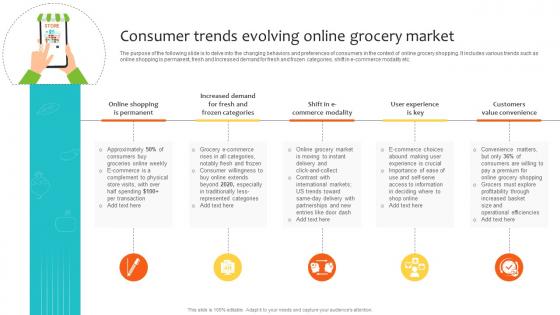
Consumers are demanding more flexible and convenient payment options. Traditional payment methods are being challenged by innovative solutions that offer greater security, speed, and flexibility.
- Contactless Payment Methods: Mobile wallets, contactless cards, and biometrics are becoming increasingly popular, offering a seamless and secure payment experience.
- Buy Now, Pay Later (BNPL) Options: BNPL services offer consumers the flexibility to spread out payments over time, making large purchases more accessible.
- Cryptocurrency and Digital Wallets: Cryptocurrency payments are gaining traction, offering secure and transparent transactions.
8. The Increasing Importance of Data Security and Privacy:
Consumers are becoming increasingly concerned about data security and privacy. Businesses must prioritize data protection and transparency, building trust and confidence among customers.
- Data Encryption and Security Protocols: Robust security measures are essential to protect customer data from unauthorized access and breaches.
- Transparency in Data Collection and Usage: Businesses must be transparent about how they collect, use, and store customer data.
- Data Privacy Compliance: Adhering to data privacy regulations, such as GDPR and CCPA, is crucial to building trust and ensuring compliance.
Related Searches and FAQs
Related Searches:
- Future of E-Commerce
- E-Commerce Trends 2025
- Online Shopping Trends
- Digital Marketing Trends 2025
- Consumer Behavior Trends
- Retail Technology Trends
- Sustainable Shopping Trends
- Personalization in E-Commerce
FAQs:
Q: What are the key factors driving online product trends in 2025?
A: The key factors driving online product trends in 2025 include evolving consumer preferences, advancements in technology, and the increasing importance of sustainability and ethical consumption.
Q: How can businesses prepare for these trends?
A: Businesses can prepare for these trends by:
- Investing in technology: Adopting AI, VR/AR, and other emerging technologies to enhance the online shopping experience.
- Prioritizing personalization: Collecting and analyzing customer data to offer tailored recommendations and personalized experiences.
- Focusing on sustainability: Embracing sustainable practices, sourcing ethically, and promoting transparency in their supply chains.
- Building an omnichannel strategy: Creating a seamless and consistent customer journey across all channels.
- Leveraging social commerce: Engaging with consumers on social media platforms and integrating shopping features.
Q: What are the benefits of embracing these trends?
A: Embracing these trends can lead to:
- Increased customer satisfaction: Providing personalized experiences, seamless journeys, and ethical products.
- Higher conversion rates: Offering immersive shopping experiences, convenient payment options, and personalized recommendations.
- Enhanced brand loyalty: Building trust and loyalty by prioritizing sustainability, transparency, and data security.
- Competitive advantage: Staying ahead of the curve by anticipating and adapting to evolving consumer needs.
Tips for Businesses:
- Conduct thorough market research: Stay informed about emerging trends and consumer preferences.
- Invest in data analytics: Leverage data to understand customer behavior and personalize the shopping experience.
- Embrace technology: Explore and adopt technologies that can enhance the online shopping experience.
- Prioritize sustainability: Implement sustainable practices and communicate your commitment to ethical sourcing.
- Build a strong omnichannel strategy: Ensure a seamless and consistent customer journey across all channels.
- Engage with consumers on social media: Leverage social media platforms for product discovery, marketing, and customer engagement.
Conclusion:
The future of e-commerce is dynamic and exciting. By understanding and embracing online product trends 2025, businesses can position themselves for success in this evolving marketplace. Adapting to consumer preferences, leveraging technological advancements, and prioritizing sustainability will be crucial for navigating the future of online shopping. By staying informed, adapting to change, and focusing on providing value to consumers, businesses can thrive in this dynamic and competitive landscape.





Closure
Thus, we hope this article has provided valuable insights into Navigating the Evolving Landscape: Online Product Trends for 2025. We appreciate your attention to our article. See you in our next article!